An English wheel is the metal shaper's tool for turning flat sheet into smooth compound curves (fenders, hoods, tanks, and body panels) by rolling the metal between an upper wheel and a lower anvil wheel. The choice comes down to three things: throat depth (how far into a panel the wheels can reach), frame rigidity (a stiff frame holds its setting and shapes evenly without flexing), and the anvil set (the range of lower-wheel radii that control how tight a curve you can raise). For the other machines that pair with a wheel, see our best sheet metal machines guide, and plan the rest of the bay with our metalworking shop setup guide. Below are our top English wheel picks for 2026, followed by a buying guide.
Best value benchtop: the Grizzly T25101 15-inch wheel, factory-direct with a set of anvil wheels. Best professional: the Grizzly T27621 32-inch floor model for full-size panels. Best compact: the Woodward Fab "Lil Wheelie" mini wheel for small parts. Best mid-range: the Eastwood wheel with floor stand and anvil rack. Best large capacity: the Baileigh EW-45 with a 45-inch throat. Match throat depth to your largest panel and prioritize a rigid frame.
Our Top English Wheel Picks
Prices vary by production run and retailer; treat the figures below as planning estimates and tap any button for current pricing.
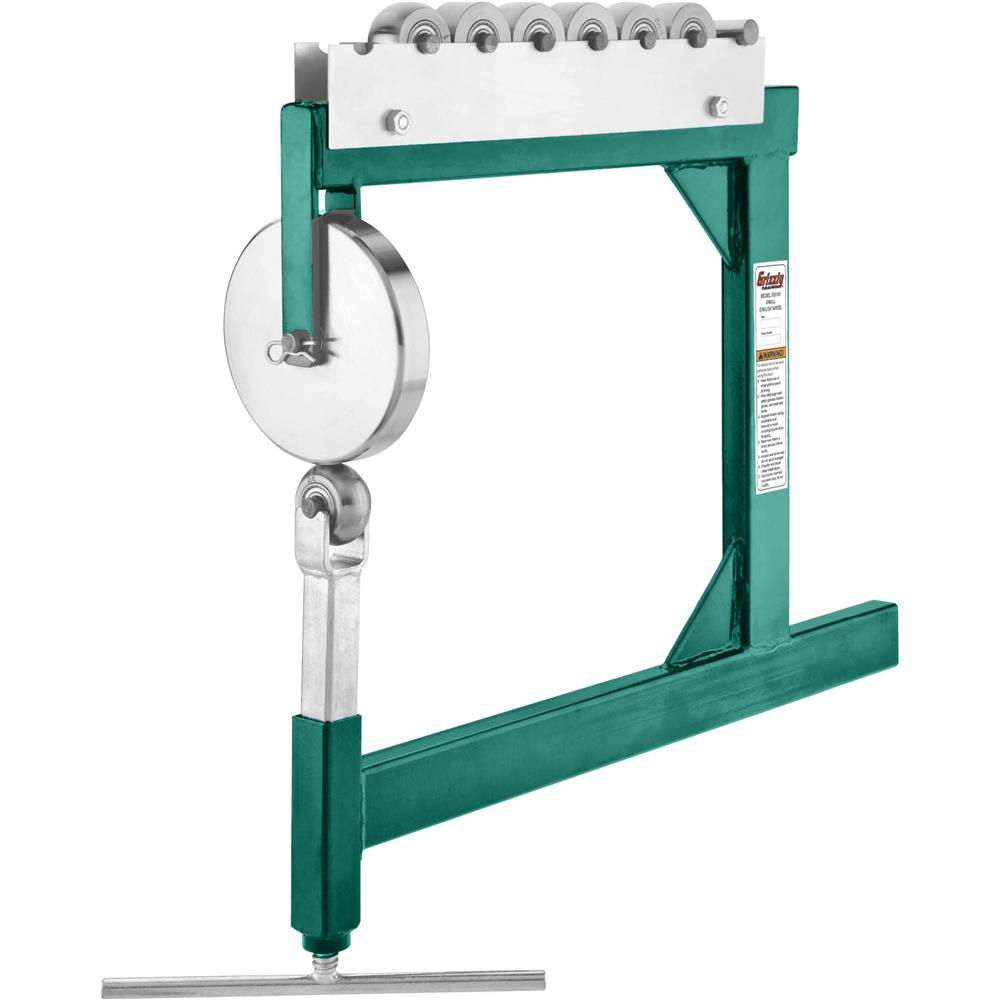
Grizzly T25101 15" Benchtop English Wheel
Compact 15-inch benchtop wheel with a set of anvil wheels.
Shop at Grizzly.com →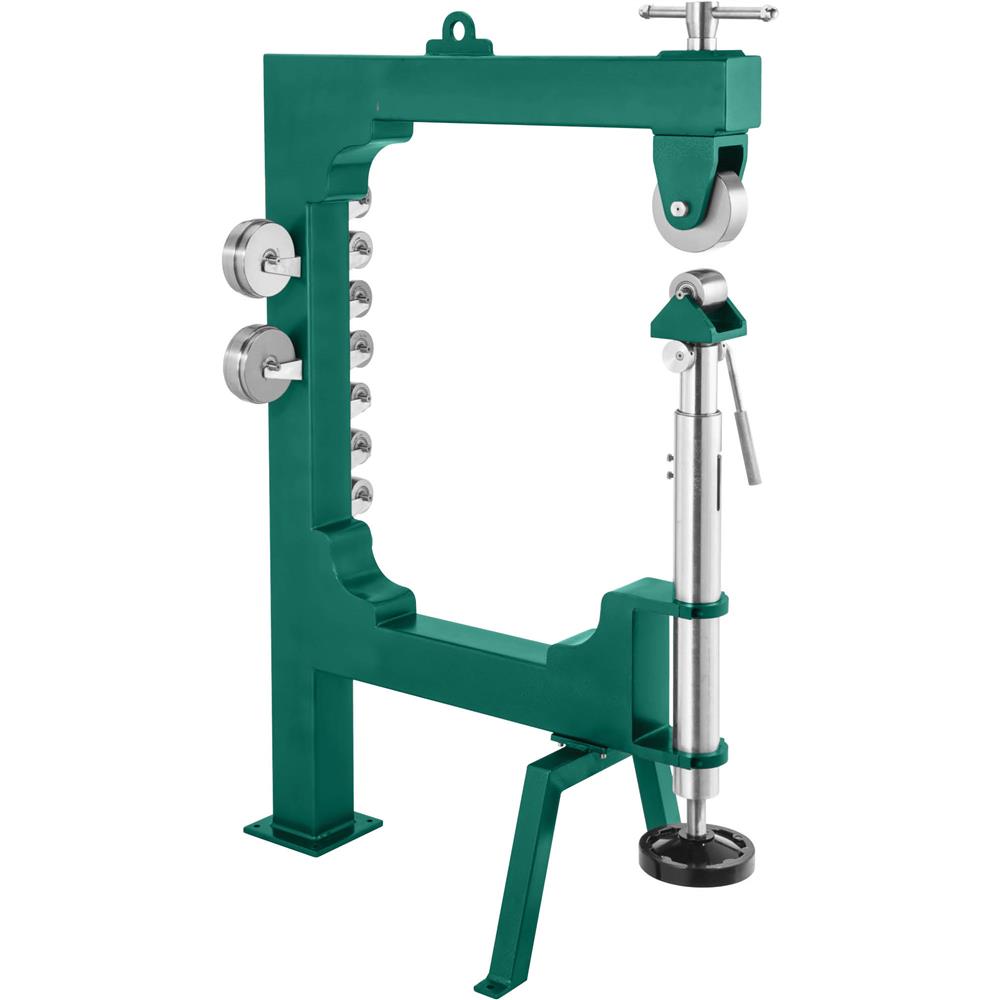
Grizzly T27621 32" Professional English Wheel
Floor-standing 32-inch throat for full-size panels.
Shop at Grizzly.com →
Woodward Fab "Lil Wheelie" Mini English Wheel
Small-footprint mini wheel for patch panels and small parts.

Eastwood English Wheel Metal Forming and Fabrication with Floor Stand and Anvil Rack
Floor-stand wheel with an anvil rack and full anvil set.

Baileigh 45-Inch English Wheel, 16-Gauge Mild Steel (EW-45)
45-inch throat rated for 16-gauge mild steel panels.
English Wheels Compared
Prices change often; the figures below are approximate. Tap any product button above for live pricing.
| Model | Type | Budget | Best For |
|---|---|---|---|
| Grizzly T25101 | 15" benchtop | See Grizzly | Best Value Benchtop |
| Grizzly T27621 | 32" floor model | See Grizzly | Best Professional |
| Woodward Fab Lil Wheelie | Mini/compact | Under $500 | Best Compact |
| Eastwood English Wheel | Floor stand + anvil rack | Under $2,500 | Best Mid-Range |
| Baileigh EW-45 | 45" floor model | $2,500+ | Best Large Capacity |
English Wheel Buying Guide
What an English Wheel Does
An English wheel shapes flat sheet metal into smooth compound curves by rolling the panel between a hardened upper wheel and a lower shaping wheel called the anvil. Each pass stretches and thins the metal slightly along its track, and by working the panel in overlapping paths you gradually raise a crown, dish, or roll for fenders, hoods, tanks, and body panels. Unlike a brake or shear, it does not cut or bend on a line; it works the whole surface into a continuous curve. A wheel is also the tool that planishes, or smooths, panels after rough forming, blending out small hammer marks and lumps for a finish-ready surface.
Throat Depth & Frame Rigidity
Throat depth is the distance from the wheels to the back of the C-frame, and it decides how far into a panel you can reach. A compact benchtop wheel with a shallow throat is ideal for small parts and panel edges, while shaping a large hood or roof skin needs a deeper throat so you can work the center of the panel. Just as important is frame rigidity: the frame must resist flexing under wheel pressure or the setting drifts and the curve comes out uneven. Heavier cast or thick-plate frames hold their setting and shape more consistently, which is why large panels and thicker gauge steel call for a stout floor-standing machine.
Anvil (Lower Wheel) Set & Radius Selection
The lower wheel, or anvil, is not one wheel but a set of interchangeable ones with different radii, from nearly flat to tightly crowned. A flatter anvil spreads the pressure over a wider footprint and produces a gentle, low crown, while a more crowned anvil concentrates the load to raise a tighter, higher curve. In practice you start with a flatter anvil to establish broad shape and step to more crowned wheels as you build curvature, matching the radius to the shape you want so the metal stretches evenly and does not oil-can. Look for a machine that ships with a full anvil set and stores them within reach, since changing anvils is a routine part of shaping.
Set Up the Rest of the Metal Shop
An English wheel is one station in a fabrication bay. See the other machines and layout that make it productive.
See the Best Sheet Metal MachinesAs an Amazon Associate and Grizzly Industrial affiliate, WorkshopCalc earns from qualifying purchases. Our picks are based on published specs and category research, not paid placement.