A wood shaper spins large profile cutters on a vertical spindle to cut cabinet doors, wide moldings, and raised panels far faster than a handheld tool. The choice comes down to three things: the spindle (its size and whether you can swap interchangeable spindles for different cutter bores), the motor (horsepower and speed range for your cutters and stock), and the fence and table (a split, adjustable fence plus support for controlled cuts). A shaper is a bigger, heavier machine than a router table and swings much larger cutters through heavier stock. If you mostly cut small profiles, first check our best wood routers guide and our router table vs handheld comparison. Below are our top shaper picks for 2026, followed by a buying guide.
Best entry: the Grizzly G0510Z 1 HP shaper, factory-direct for light profiling and small cabinet work. Best mid-size: the Grizzly G1035 1-1/2 HP for most door and molding jobs. Best production: the Grizzly G1026 3 HP for large panel-raising cutters. A strong 3 HP alternative is the SHOP FOX W1702, and the JET JWS-35X5-1 5 HP is the premium pick. Match the spindle size to your cutter bores and size the motor to the work.
Our Top Wood Shaper Picks
Prices vary by production run and retailer; treat the figures below as planning estimates and tap any button for current pricing.
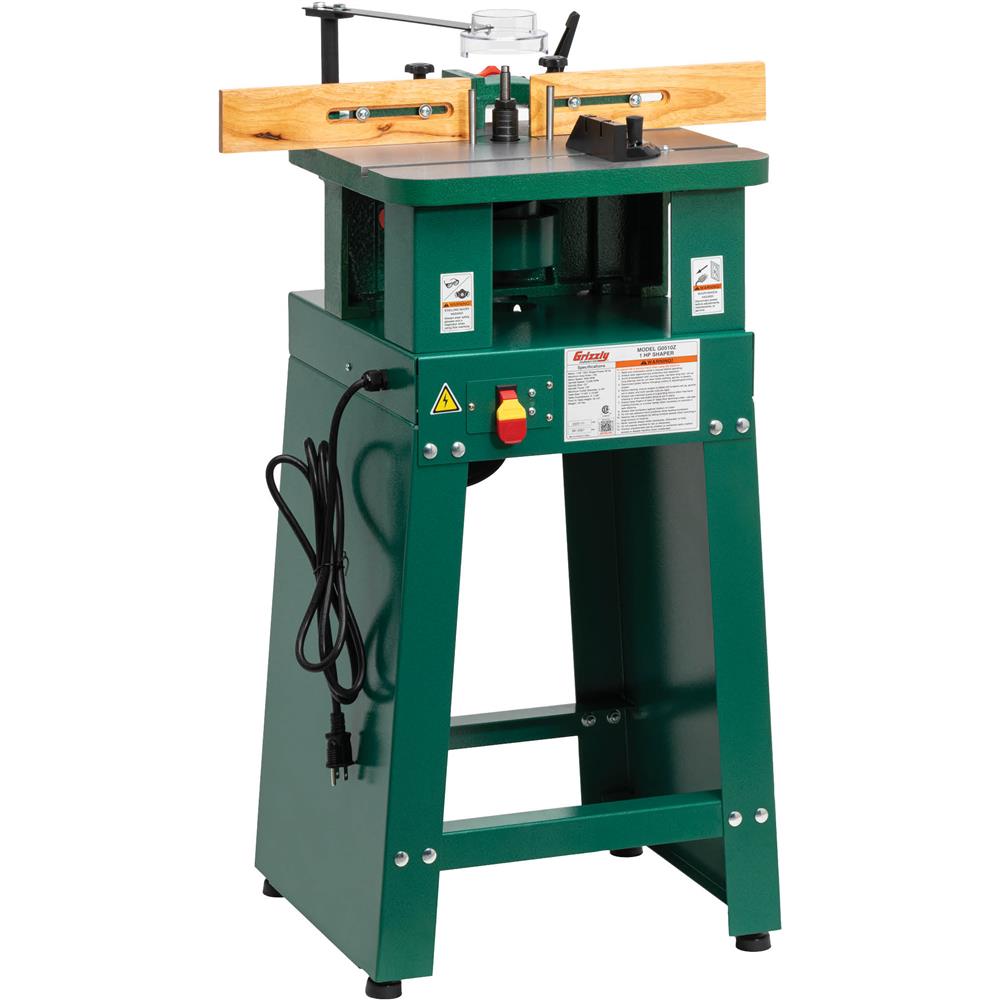
Grizzly G0510Z 1 HP Shaper
1 HP spindle shaper for light profiling and small cabinet work.
Shop at Grizzly.com →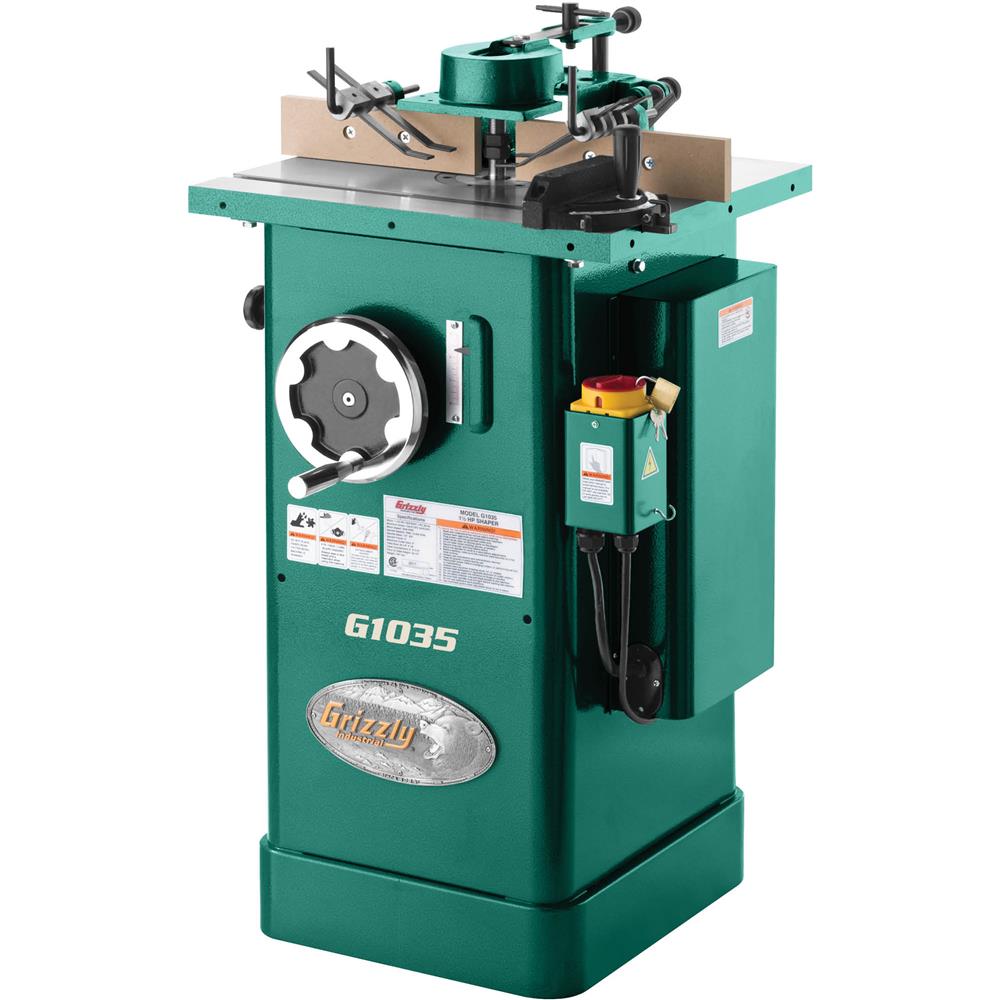
Grizzly G1035 1-1/2 HP Shaper
1-1/2 HP spindle shaper for most cabinet-door and molding work.
Shop at Grizzly.com →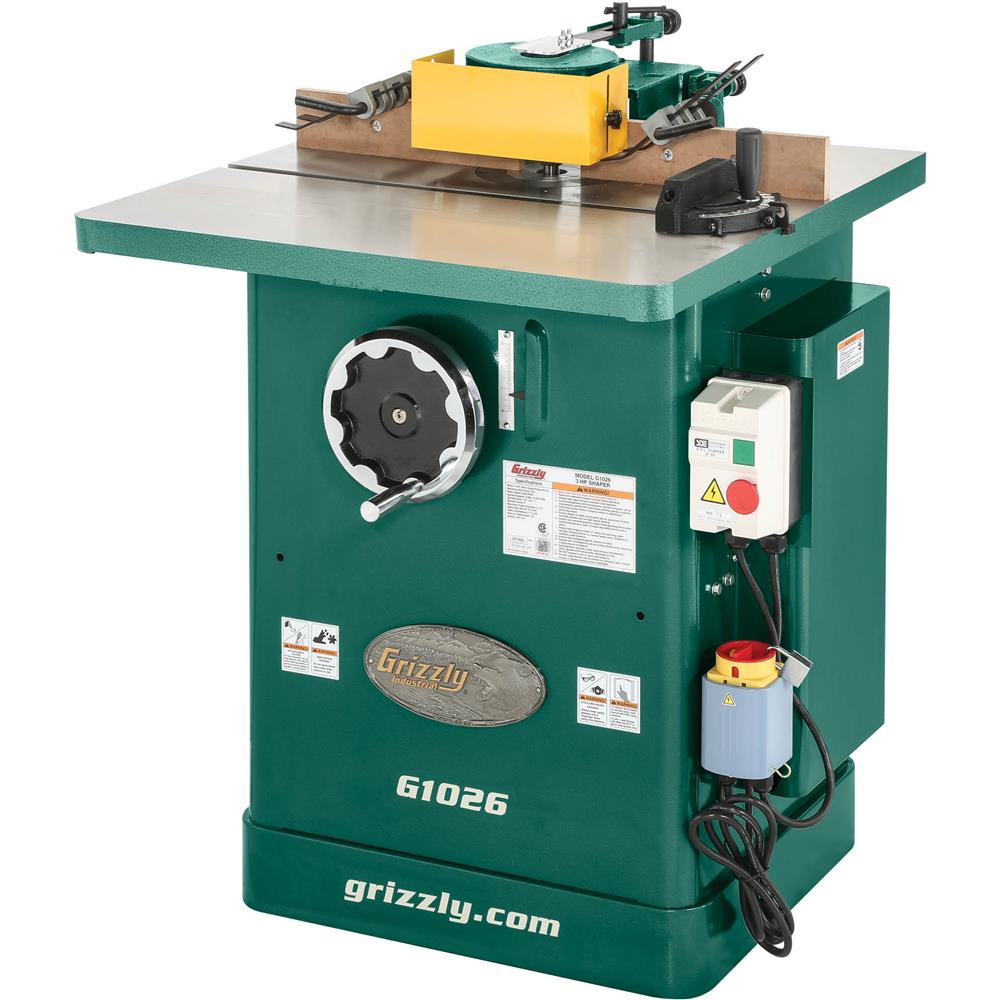
Grizzly G1026 3 HP Shaper
3 HP spindle shaper for large panel-raising cutters and production runs.
Shop at Grizzly.com →
SHOP FOX W1702 3 HP Shaper
3 HP spindle shaper as a strong alternative for production profiling.

JET 5-HP Spindle Shaper, 230V 1Ph (Model JWS-35X5-1)
5 HP single-phase spindle shaper for heavy production work.
Wood Shapers Compared
Prices change often; the figures below are approximate. Tap any product button above for live pricing.
| Model | Power | Budget | Best For |
|---|---|---|---|
| Grizzly G0510Z | 1 HP | See Grizzly | Best Entry 1 HP |
| Grizzly G1035 | 1-1/2 HP | See Grizzly | Best Mid 1-1/2 HP |
| Grizzly G1026 | 3 HP | See Grizzly | Best 3 HP Production |
| Shop Fox W1702 | 3 HP | Under $2,500 | Best Alternative 3 HP |
| Jet JWS-35X5-1 | 5 HP | $2,500+ | Best Premium 5 HP |
Wood Shaper Buying Guide
Spindle Size & Interchangeable Spindles
The spindle is what sets a shaper apart from a router table, and its diameter decides which cutters you can run. A 1/2 inch spindle takes smaller router-style and light shaper cutters, 3/4 inch is a versatile all-round size for cabinet work, and a 1 inch or 1-1/4 inch spindle carries large production cutters and heavy panel-raising heads. Many shapers ship with interchangeable spindles so you can swap bore sizes for different cutters, and some accept a 1/2 inch router-bit spindle so you can run router bits on the same machine. Buy the spindle sizes that match the cutter bores you plan to use, and remember that a shaper's larger cutters remove far more stock per pass than a router bit.
Motor Power & Speeds
Horsepower has to match your cutters and your stock. A 1 HP machine handles light profiling, edge treatments, and smaller cutters in a home shop; 1-1/2 HP to 2 HP covers most cabinet-door and molding work; and 3 HP or more is for wide profiles, dense hardwoods, and large panel-raising cutters run in production. Because a shaper cuts heavier stock than a router table, torque matters as much as raw power. Two-speed or reversible spindles let you match RPM to cutter diameter, run larger heads at lower speed, and cut both faces of a profile by reversing rotation, which improves cut quality and control.
Fence & Sliding Table
The fence guides the cut and, on a shaper, splits into independently adjustable infeed and outfeed faces so you can close tightly around the cutter and take jointing-style passes. A rigid, flat cast-iron table keeps the workpiece from rocking under the cutter's load. For cabinet doors, a sliding table supports rails and stiles for square, controlled end-grain cuts, and a power feeder holds stock to the fence at a steady rate for cleaner, safer, more repeatable results. These supports matter more on a shaper than a router table because the cutters are bigger and the stock is heavier, so plan the fence and work support around the parts you make most.
Set Up the Whole Shop Around It
A shaper needs power, dust collection, and clearance. See our full workshop setup guide to lay out the space before the machine lands.
Read the Shop Setup GuideAs an Amazon Associate and Grizzly Industrial affiliate, WorkshopCalc earns from qualifying purchases. Our picks are based on published specs and category research, not paid placement.