A wet sharpener runs a stone wheel through a water bath at low speed so the edge stays cool, letting you grind a full bevel without burning the temper out of your tool steel. The choice comes down to three things: the wheel and water bath (how well it cools and how consistently it cuts), the grit and honing (the stone grit plus a leather wheel to strop the edge shave-ready), and the jigs and versatility (whether it can index chisels, plane irons, and knives at repeatable angles). If a high-speed dry grinder is more your speed for rough work, compare it with our best bench grinders guide, and match grit numbers to finish with our sandpaper grit chart. Below are our top wet sharpener picks for 2026, followed by a buying guide.
Best overall: the Tormek T-8 Original RB-180 Bundle, a water-cooled sharpening system with a jig ecosystem for edge tools and a rotating base for switching between grinding and honing. The plain T-8 Original is back-ordered right now. Best value wet grinder: the Grizzly T32720, a factory-direct 10-inch variable-speed wet grinder. Best budget: the WEN BG4108 8-inch water-cooled wet/dry system. Best for knives: the Work Sharp Ken Onion adjustable sharpener. Prioritize cool grinding and a leather honing wheel over extra accessories.
Our Top Wet Sharpener Picks
Prices vary by production run and retailer; treat the figures below as planning estimates and tap any button for current pricing.

Tormek T-8 Original RB-180 Bundle (with RB-180 Rotating Base) – US Version
The T-8 Original water-cooled sharpening system with the RB-180 rotating base, which swings the machine around to switch between grinding and honing. In stock.
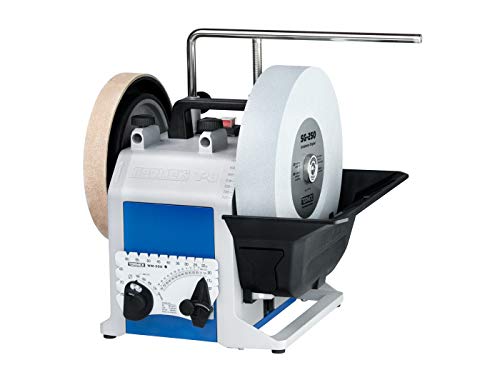
Tormek T-8 Original – Water Cooled Sharpening System for Edge Tools – US Version – English Handbook
The same T-8 Original machine without the rotating base. Back-ordered at the moment, so check availability before planning around it.
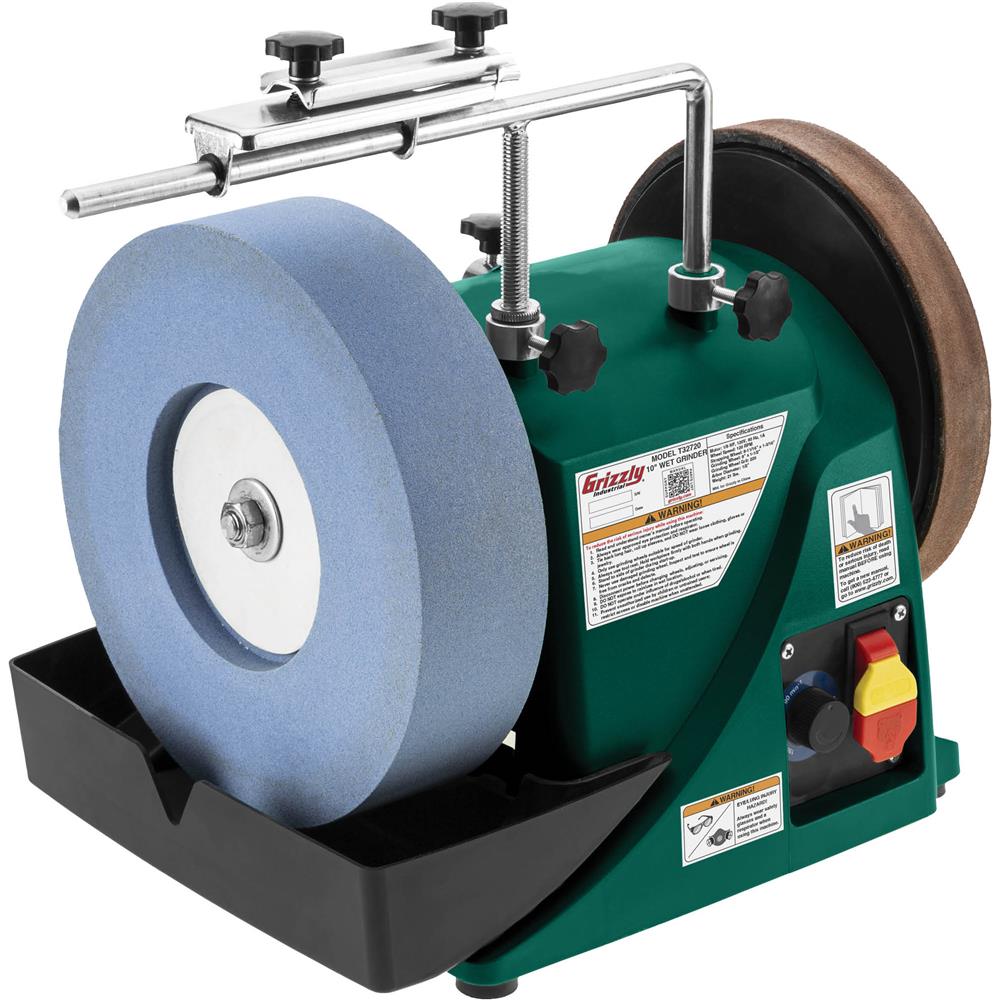
Grizzly T32720 10" Variable-Speed Wet Grinder/Sharpener
10-inch variable-speed water-cooled grinder/sharpener.
Shop at Grizzly.com →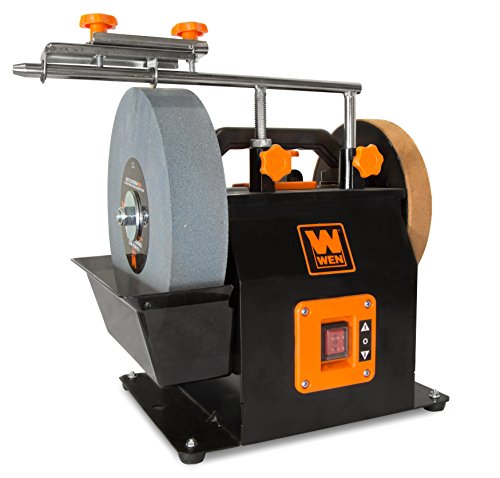
WEN BG4108 8-Inch Water-Cooled Wet/Dry Sharpening System
8-inch water-cooled wet wheel with a dry wheel on the other end for rough shaping.

Work Sharp Ken Onion Knife Sharpener Tool - Adjustable Knife Sharpening System - For Knives, Scissors, Serrated Blades, & Tools
Adjustable knife sharpening system for knives, scissors, serrated blades, and tools.
Wet Sharpeners Compared
Prices change often; the figures below are approximate. Tap any product button above for live pricing.
| Model | Type | Budget | Best For |
|---|---|---|---|
| Tormek T-8 Original RB-180 Bundle | 10" water-cooled system, 90 RPM, rotating base | Under $1,500 | Top Pick (in stock) |
| Tormek T-8 Original | 10" water-cooled system, 90 RPM | Under $2,500 | Back-ordered |
| Grizzly T32720 | Variable-speed wet grinder | See Grizzly | Best Value Wet Grinder |
| WEN BG4108 | 8" wet/dry sharpening system | Under $250 | Best Budget |
| Work Sharp Ken Onion | Adjustable knife sharpener | Under $250 | Best for Knives |
Wet Sharpener Buying Guide
Wheel Type & Water Bath
The whole point of a wet sharpener is cool grinding, and that comes from a stone wheel turning slowly through a trough of water. Heat is what ruins an edge: a dry high-speed grinder can turn a chisel tip blue in seconds, and that burn draws the temper out of the steel so the edge will not hold. A water-cooled wheel carries heat away as fast as friction makes it, so you can grind a full bevel without softening the metal. Look for a wheel that runs true, an adjustable water trough that keeps the stone wetted, and a low, torque-friendly speed. Drain the bath after each session so the stone does not sit soaking and go out of round.
Grit & Honing/Stropping
Grinding sets the bevel, but it does not finish the edge. The stone wheel removes metal and leaves a fine burr and micro-scratches; a leather honing wheel charged with polishing compound is what strops that burr away and polishes the edge to shave-ready. For polishing whole blades, tools and metal parts rather than just the edge, see our best bench buffers. Many stone wheels can be graded coarse for fast steel removal or fine for a smooth pre-hone finish, so one wheel covers two jobs. When you compare grit numbers against the finish you want, our sandpaper grit chart is a handy reference. The rule of thumb: grind to shape, hone to sharpen, and never skip the strop if you want a keen edge.
Jigs & Versatility
Jigs are what turn a wet grinder into an all-around sharpening station, because they set and repeat the exact angle for each tool. A square-edge jig holds chisels and plane irons at a consistent bevel across the full width, a knife jig controls the angle for straight and curved blades, and specialty jigs handle gouges, scissors, and axes. System-style machines like the Tormek build their value on that jig ecosystem, while a dedicated unit like the Work Sharp Ken Onion focuses on knives and blades with a guided angle. Decide what you sharpen most: a mixed woodworking shop benefits from jig versatility, while a mostly-knife user may prefer a simpler dedicated sharpener.
Set Up the Whole Shop
A sharpening station is one bench in a bigger plan. See our full walkthrough for laying out tools, power, and dust collection.
See the Woodworking Shop Setup GuideAs an Amazon Associate and Grizzly Industrial affiliate, WorkshopCalc earns from qualifying purchases. Our picks are based on published specs and category research, not paid placement.