7 Best Bench Grinders 2026: 6-Inch, 8-Inch & Variable Speed Picks
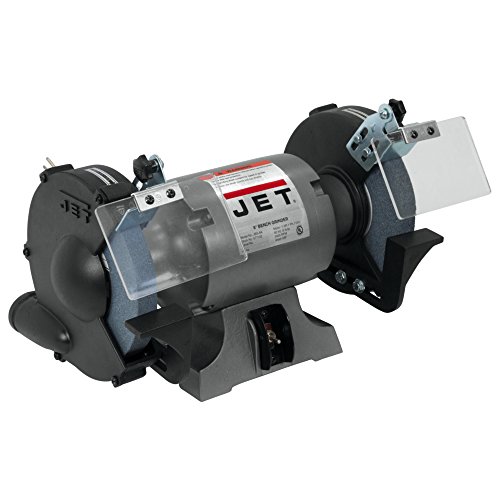
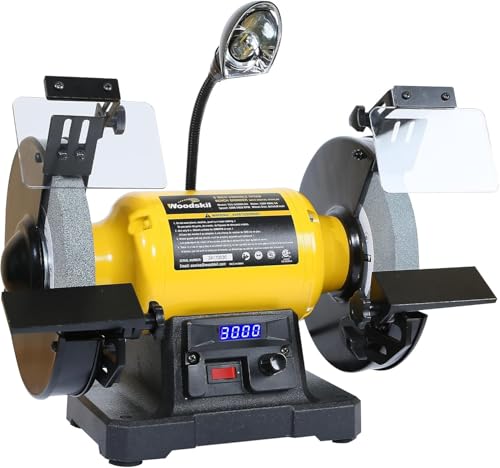
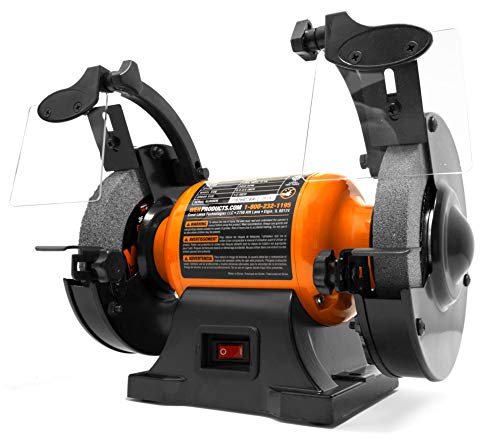
The best bench grinder for most shops is the JET JBG-8 8-inch (under $500): 1/2 HP at 3,450 RPM on a heavy cast base. For sharpening chisels and turning tools, the JET JWBG-8 slow-speed (1,725 RPM, under $500) runs cooler; for both jobs on one machine, the Woodskil 8 inch variable speed (2,000 to 3,450 RPM, under $250); and on a budget, the WEN BG4260 6-inch (under $100).
A quality bench grinder is one of the most productive investments in any metalworking shop or woodworking studio. From sharpening chisels and plane irons to grinding welds and shaping metal stock, the right bench grinder handles an enormous range of tasks. This guide reviews the best bench grinders of 2026 across wheel size, speed range, and application, from budget 6-inch grinders for occasional sharpening to industrial Baldor machines for full-time production use.
Best Bench Grinders at a Glance
| Grinder | Wheel | Speed | Best for | Budget |
|---|---|---|---|---|
| JET JBG-8 | 8" | 3,450 RPM | Best overall | Under $500 |
| DeWalt DW758 | 8" | 3,600 RPM | Best value 8-inch | Under $250 |
| Woodskil 8" Variable Speed | 8" | 2,000 to 3,450 RPM | Sharpening and grinding | Under $250 |
| JET JWBG-8 Slow Speed | 8" | 1,725 RPM | Sharpening edge tools | Under $500 |
| Metabo DS 200 Plus | 8" | 3,600 RPM | Heavy-duty metalwork | Under $500 |
| WEN BG4260 | 6" | 3,450 RPM | Budget | Under $100 |
| Baldor 8100WD | 8" | 1,800 RPM | Industrial | $2,500+ |
Prices from live Amazon listings, checked 2026.
Quick Picks: Our Top Recommendations
After researching specifications and verified owner feedback on the top bench grinders available in 2026, these are our picks for every workshop type and budget:
Prices change on Amazon. Amounts shown are planning estimates, not live quotes. Tap any button for current pricing.


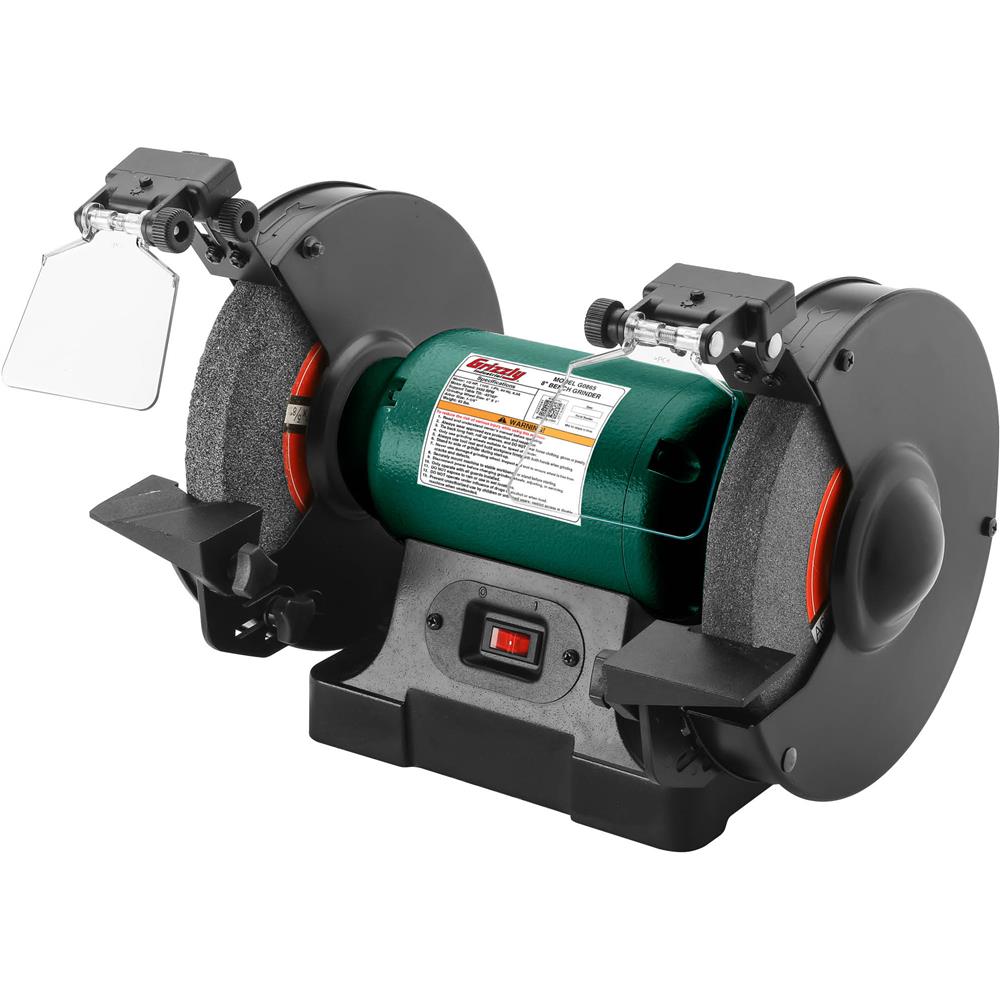
Prefer to buy direct? The Grizzly G0865 8" Bench Grinder with LED Lights is a strong 8-inch bench grinder from Grizzly Industrial, often priced lower factory-direct than through a reseller and backed by full parts availability and U.S. support.
Shop the G0865 at Grizzly.com →Product Comparison Table
Compare the key specifications of our top-rated bench grinders:
| Model | Wheel Size | Motor HP | RPM | Arbor Size | Weight | Budget |
|---|
Detailed Reviews

Photo via Unsplash
Bench Grinder Buying Guide
Choosing the right bench grinder requires understanding wheel size, motor power, speed, and your primary intended use. Here is a complete framework:
Sources
- JET, DeWalt, Woodskil, Metabo, WEN and Baldor grinder specifications (wheel size, motor, RPM)
- ANSI B7.1 safety requirements for abrasive wheels (wheel speed ratings)
- Amazon.com listings, prices and stock checked 2026 through the Amazon Associates product API
Researched from published specifications and standards, not hands-on testing. Not professional advice.
Frequently Asked Questions
What is the best 6 inch bench grinder?
The WEN BG4260 (under $100) is the budget 6 inch pick for light sharpening and cleanup. For regular use, step up to an 8 inch grinder: the larger wheel gives more grinding surface and a flatter hollow grind on edge tools.
Is a variable speed bench grinder worth it?
Yes if one machine has to do both sharpening and metal grinding. Low speed (around 2,000 RPM) keeps edge tools from overheating; full speed removes metal quickly. If you only sharpen, a dedicated slow-speed grinder like the JET JWBG-8 is simpler.
What is the difference between a 6-inch and 8-inch bench grinder?
The wheel diameter directly impacts the grinding surface area and motor power. 6-inch grinders are lighter, less expensive, and sufficient for occasional sharpening and light grinding. 8-inch grinders have more grinding surface, run on more powerful motors (3/4 HP vs 1/3 HP typically), and are the standard for serious tool sharpening and metalwork. For a primary shop grinder, 8-inch is the right choice.
Why would I choose a slow-speed bench grinder?
Standard bench grinders run at 3,450 RPM and generate significant heat that can draw the temper from high-speed steel and carbon steel tools, permanently softening the cutting edge. Slow-speed grinders run at 1,725 RPM, reducing heat generation significantly. For sharpening chisels, plane irons, turning tools, and carving tools, a slow-speed grinder is worth the premium.
What grinding wheels should I use for sharpening woodworking tools?
For woodworking tool sharpening, replace the stock aluminum oxide wheels with a 60-grit friable white aluminum oxide wheel (like Norton 3X) for rough shaping, and a 120-grit CBN (Cubic Boron Nitride) wheel for final sharpening. CBN wheels stay flat, run cooler than conventional wheels, and last decades. Tormek-style wet grinder systems are another excellent option for pure sharpening applications.
Can a bench grinder sharpen drill bits?
Yes, with practice and a suitable tool rest setup. Standard bench grinders can sharpen twist drill bits by grinding the cutting lips at the correct angle (typically 118 degrees for general-purpose bits). A drill sharpening attachment or dedicated drill bit sharpener produces more consistent results. Slow-speed grinders are better for drill sharpening as they reduce heat buildup in the thin cutting edges.
How often should bench grinder wheels be dressed?
Dress grinding wheels whenever they become glazed (cutting surface loaded with metal particles and loses bite), out of round, or develop uneven wear. For regular use, dressing every 1-2 hours of grinding is typical. Use a diamond wheel dresser for CBN wheels and a star-wheel or diamond dresser for conventional aluminum oxide wheels. Regular dressing keeps wheels cutting efficiently and safely.
Related Calculators & Resources
Plan your metalworking or sharpening station with these tools:
As an Amazon Associate and Grizzly Industrial affiliate, WorkshopCalc earns from qualifying purchases. Our recommendations are based on research into specifications, pricing, and verified owner reviews, not hands-on testing. We only recommend products we believe provide genuine value to workshop owners.