7 Best Plasma Cutters 2026: CNC-Ready, Handheld & Budget Picks
A plasma cutter turns steel plate into custom parts faster than any other cutting method. Whether you are building a trailer, cutting decorative metalwork, or feeding a CNC table, the right plasma cutter determines cut quality, operating cost, and how long your consumables last. This guide reviews the seven best plasma cutters of 2026, from a sub-$200 budget cutter to a $4,000-plus CNC-production unit, so you can pick the right machine for your shop.
Quick Picks: Our Top Recommendations
After researching plasma cutters for home shops and fabrication environments, these are our top picks for 2026:
Prices change on Amazon. Amounts shown are planning estimates, not live quotes. Tap any button for current pricing.
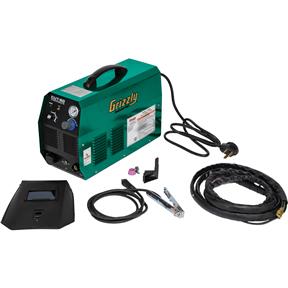
Grizzly carries two of its own inverter plasma cutters, sold direct with U.S. parts support:
- Grizzly T33938 60A Plasma Cutter is the pick for 1/2 in. and thicker steel, with enough headroom for a CNC table.
- Grizzly T34312 50A Plasma Cutter is the budget option for sheet and light plate on a 240V circuit.
Product Comparison Table
Compare key specifications across all seven plasma cutters at a glance:
| Model | Cut Capacity | Severance | Input Power | Duty Cycle | Air Req. | Budget |
|---|---|---|---|---|---|---|
| Hypertherm Powermax 45 SYNC | 5/8" mild steel | 7/8" | 200-240V / 1-phase | 50% @ 45A | 6 CFM @ 85 PSI | $2,500+ |
| Miller Spectrum 875 | 1" mild steel | 1-1/4" | 208-240V / 1-phase | 60% @ 80A | 8 CFM @ 90 PSI | $2,500+ |
| Miller Spectrum 625 X-TREME | 5/8" mild steel | 7/8" | 120V / 240V (Auto-Line) | 50% @ 40A (240V) | 6 SCFM @ 90 PSI | $2,500+ |
| Hypertherm Powermax 65 SYNC | 3/4" mild steel | 1-1/4" | 200-240V / 1-phase | 50% @ 65A | 7.7 CFM @ 90 PSI | $2,500+ |
| PrimeWeld CUT60 | 5/8" mild steel | 1" | 110V / 220V | 60% @ 60A | 6 CFM @ 70 PSI | Under $1,000 |
| Lotos LOP55D | 5/8" mild steel | 3/4" | 110V / 220V | 60% @ 50A | 5 CFM @ 60 PSI | Under $250 |
| Lincoln Electric Tomahawk 45 | 5/8" mild steel | 3/4" | 120V / 240V | 40% @ 45A | 6 CFM @ 90 PSI | Under $2,500 |
Detailed Reviews

Hypertherm Powermax 45 SYNC
Professional 45AThe Hypertherm Powermax 45 SYNC is the industry benchmark for 45A plasma cutters. The single-piece SmartSYNC cartridge consumables auto-configure the machine and deliver the cleanest cut edge at this power level, and Hypertherm consumables outlast competing brands by 3-5x in real-world use, making the higher purchase price the lowest total cost of ownership.
Pros
- Industry-leading cut edge quality at 45A
- Consumable life 3-5x longer than competitor brands
- Integrated CNC interface for machine torch use
- Blowback pilot arc prevents CNC controller interference
- Built in the USA with excellent domestic support
Cons
- Significantly higher upfront cost than competitors
- Proprietary consumables, no cheap aftermarket options
- Requires 200-240V; no 120V capability
Our Verdict
The Hypertherm Powermax 45 SYNC is the best plasma cutter for shops that cut regularly. The long consumable life and superior cut quality make it the lowest total operating cost choice despite the higher purchase price. Buy it once, own it for decades.

Miller Spectrum 875
Heavy Duty 80AThe Miller Spectrum 875 is the heavy-duty plasma cutter for shops that need to cut 3/4-inch and 1-inch plate regularly. Its 80A output and 60% duty cycle handle production work that would overheat lighter machines, while Miller's Auto-Refire technology maximizes consumable life during CNC use.
Pros
- 80A output cuts 1-inch mild steel at rated speed
- 60% duty cycle for sustained production work
- Auto-Refire technology extends consumable life on CNC tables
- XT60 torch delivers excellent cut quality
- Miller reliability and nationwide dealer service network
Cons
- Higher price than Hypertherm for similar output
- Heavy at 43 lbs, less portable than lighter machines
- Requires 208-240V dedicated circuit
Our Verdict
The Miller Spectrum 875 is the right choice for fabrication shops that regularly cut structural steel and heavy plate. The 80A output and 60% duty cycle handle workloads that 45A machines cannot, and Miller's support network makes downtime less painful when service is needed.

Miller Spectrum 625 X-TREME
Dual-Voltage 40AThe Miller Spectrum 625 X-TREME replaces the Hobart Airforce 40i in this guide after the Hobart went out of stock on Amazon. It is the closest match Amazon still sells: the same 40A class, the same 5/8-inch rated cut and 7/8-inch sever on mild steel, and the same XT40 torch family, since Hobart and Miller are sister brands. Auto-Line accepts any single-phase input from 120V to 240V without relinking, giving 40A at 50% duty cycle on 240V and 27A at 20% on 120V. It costs roughly $850 more than the Hobart did, and at about 21 lbs with the 12 ft torch it is easy to carry around the shop.
Pros
- Auto-Line runs on any 120V to 240V single-phase outlet
- Rated 5/8-inch cut and 7/8-inch sever on mild steel
- 40A at 50% duty cycle on 240V
- About 21 lbs with the 12 ft torch
- XT40 torch consumables are widely stocked
Cons
- Costs more than the Hypertherm Powermax 45 SYNC at current prices
- Only 27A at 20% duty cycle on a 120V outlet
- Needs 6 SCFM at 90 PSI, more than a small pancake compressor supplies
- Consumables cost more than budget import brands
Our Verdict
The Miller Spectrum 625 X-TREME is the pick for shops that need one 40A cutter to run on both 120V and 240V. It matches the Hobart it replaces on cut capacity and torch, but it is no longer the mid-priced option: if you have 240V, the Hypertherm Powermax 45 SYNC costs about the same and adds 5A.

Hypertherm Powermax 65 SYNC
CNC-Ready 65AThe Hypertherm Powermax 65 SYNC represents the next generation of professional plasma cutters. The SYNC cartridge consumable system embeds identification chips in the cartridge so the machine automatically sets the correct parameters, eliminating setup errors and dramatically simplifying consumable management for CNC table operators.
Pros
- SYNC cartridge system eliminates consumable setup errors
- Machine automatically reads and configures for each cartridge
- Full CNC interface with arc voltage output for THC
- Blowback arc start prevents CNC controller interference
- Best-in-class cut quality at 65A output level
Cons
- Highest price in its output class
- SYNC cartridges cost more than traditional consumable sets
- Overkill for occasional handheld cutting work
Our Verdict
The Hypertherm Powermax 65 SYNC is the definitive CNC plasma cutter for small production shops. The SYNC cartridge system pays for itself in reduced setup errors, faster consumable changes, and longer table uptime. If you run a CNC plasma table commercially, this is the machine to spec.

PrimeWeld CUT60
Value 60AThe PrimeWeld CUT60 delivers 60A of output at a price that undercuts major brands significantly. The dual-voltage input, non-touch PT60 pilot arc torch, and 60% duty cycle make it a capable machine for shops that want professional-grade output without the Hypertherm price tag, and PrimeWeld backs it with a 3-year warranty.
Pros
- Dual-voltage input on 110V and 220V
- Non-touch pilot arc for clean starts on any surface
- 60% duty cycle handles regular production cutting
- Significant cost savings versus comparable American brands
- 3-year warranty and responsive PrimeWeld support
Cons
- HF arc start can interfere with CNC electronics, verify compatibility
- Dealer network smaller than Lincoln or Miller
- Consumable availability behind major US brands
Our Verdict
The PrimeWeld CUT60 is the best value plasma cutter for shops that need 60A output but cannot justify Hypertherm or Miller pricing. Solid machine for regular use, and the 3-year warranty takes the sting out of buying an import brand.

Lotos LOP55D
Budget 50AThe Lotos LOP55D is the best budget plasma cutter for beginners and occasional users. At under $200, it delivers up to 1/2-inch clean cuts and 3/4-inch severance on 220V with a non-touch pilot arc, making it far more capable than its price suggests, though consumable life and long-term durability do not match professional machines.
Pros
- Most affordable plasma cutter with non-touch pilot arc
- Dual-voltage input (110V/220V) for flexibility
- Cuts up to 5/8-inch mild steel cleanly
- Good starter machine for learning plasma cutting basics
- Digital display for easy current adjustment
Cons
- Build quality and longevity behind professional brands
- Consumables wear faster than Hypertherm or Miller equivalents
- Limited dealer support, mostly online self-service
- Cut quality noticeably behind professional machines
Our Verdict
The Lotos LOP55D is the best plasma cutter under $200 and a solid starting point for beginners. Expect to upgrade to a Hypertherm or PrimeWeld once your cutting volume justifies it, but this machine will give you reliable service for learning and occasional projects.

Lincoln Electric Tomahawk 45
Pro Handheld 45AThe Lincoln Electric Tomahawk 45 is a purpose-built handheld plasma cutter for fabrication shops and serious DIY metalworkers. Its 45A output and dual-voltage input make it a portable workhorse with the Lincoln name behind it, cutting up to 5/8-inch mild steel on a standard shop circuit.
Pros
- 45A output cuts up to 5/8-inch plate cleanly at speed
- Dual-voltage 120V/240V input for shop flexibility
- Non-touch pilot arc starts on rust, paint, and expanded metal
- Lincoln Electric build quality and domestic support
- Portable design moves easily around the shop
Cons
- Not a CNC-table machine, this is a handheld unit
- Lower duty cycle than dedicated production cutters
- Higher consumable cost than budget import brands
Our Verdict
The Lincoln Electric Tomahawk 45 is the best plasma cutter for fabricators who want a trusted American brand in a portable handheld package. If you cut up to 5/8-inch steel and value Lincoln reliability and dealer support, this machine delivers the output and durability for steady shop work.

Photo via Unsplash
Plasma Cutter Buying Guide
Choosing the right plasma cutter means understanding output, consumables, and how you will use the machine, whether handheld, on a CNC table, or both:
Plasma Cutting Machine Guide: Cut Capacity, Power and CNC Needs
Updated 2026. A plasma cutting machine (plasma cutter) uses compressed air and an electric arc to melt and blow through conductive metal. Pick the machine by the thickest steel you need to cut cleanly, then by whether it will be handheld or run on a CNC table. This table shows the typical clean cut capacity for each amperage range. Severance capacity (the maximum the machine can cut at a crawl) is usually 1.5 to 2 times the clean cut rating, so always size on the clean cut number.
| Output Amperage | Clean Cut Capacity (Mild Steel) | Input Power | Best For |
|---|---|---|---|
| 20A to 30A | Up to 1/4" | 120V | Light sheet metal, hobby and art work |
| 40A to 50A | Up to 1/2" | 120V / 240V dual voltage | Home shop, auto repair, trailers |
| 60A to 80A | Up to 3/4" | 240V single phase | Fabrication and light production |
| 85A to 105A | 1" and thicker | 240V or three phase | CNC production and heavy plate |
What Makes a Plasma Cutter CNC-Ready?
A CNC plasma cutter is a plasma cutting machine that is driven by a CNC table instead of by hand. Not every plasma cutter can do it. A CNC-ready plasma cutter must have these features, which budget handheld machines usually lack:
| CNC-Ready Requirement | Why It Matters |
|---|---|
| Machine torch (mechanized torch) | Mounts on the gantry; a handheld torch cannot be driven by the table. |
| Machine interface (start signal and ok-to-move) | Lets the CNC controller fire the torch and know when the arc transferred. |
| Divided arc voltage output | Feeds torch height control so the standoff stays correct as the plate warps. |
| Non-contact pilot arc (blowback start) | Avoids the high-frequency start that interferes with CNC electronics. |
| Rated duty cycle at your cutting amperage | CNC tables cut for minutes at a time, so a low duty cycle machine will stop on overheating. |
| Clean, dry compressed air | Wet or oily air shortens consumable life and ruins the cut edge. |
For a CNC table, our pick is the Hypertherm Powermax 65 SYNC, which is built for machine torch use. Budget handheld units such as the Lotos LOP55D are for cutting by hand.
Frequently Asked Questions
What amperage plasma cutter do I need for my shop?
For casual shop use and material up to 1/2-inch mild steel, a 45A plasma cutter is sufficient. For regular production cuts on 3/4-inch and heavier material, step up to a 65A machine. Industrial work on 1-inch and above requires 85A+ units. Always size up if you plan to use the cutter on a CNC table.
What is the difference between cut capacity and severance capacity?
Cut capacity (or rated cut) is the maximum thickness the machine cuts at a quality, production-ready speed. Severance capacity is the absolute maximum thickness the machine can pierce through, though at very slow speed with a rough edge. Always spec your machine based on cut capacity, not severance capacity.
What air supply does a plasma cutter need?
Most plasma cutters require a clean, dry air supply at 70-120 PSI and 4-8 CFM. A standard 20-gallon shop compressor works for light duty use, but extended cutting sessions require a 60-gallon or larger compressor to maintain pressure. Always add a moisture separator and filter to your air line to protect consumables.
Can I use a plasma cutter on a CNC table?
Many plasma cutters include a machine torch interface (trigger signal) and pilot arc that are compatible with CNC plasma tables. The Hypertherm Powermax SYNC series, including the Powermax 65 SYNC, is specifically designed for CNC use. Budget units often lack the machine interface required for CNC tables. Always verify CNC compatibility before purchasing.
How much does a good plasma cutter cost?
Entry-level plasma cutters start around $300-$400 for 40-50A machines. Professional units from Hypertherm, Miller, and Lincoln range from $1,100 to $3,200+. CNC-ready machines with full automation interfaces start around $2,200 and reach $5,000+ for production-grade units. Factor in consumable costs: tips and electrodes run $20-$60 per set depending on brand.
What is a CNC plasma cutter?
A CNC plasma cutter is a plasma cutting machine mounted on a computer-controlled table that moves the torch along a programmed path. It cuts repeatable shapes in steel plate with a CNC-ready plasma source, a machine torch, and torch height control.
Can any plasma cutter be used on a CNC table?
No. The plasma cutter needs a machine interface to take a start signal from the CNC controller, a non-contact pilot arc, and ideally a divided arc voltage output for torch height control. Handheld budget machines usually lack these, so check the specifications for CNC or machine torch support before buying.
What thickness can a 45 amp plasma cutter cut?
A 45 amp plasma cutter cleanly cuts mild steel up to about 1/2 inch to 5/8 inch, and can sever up to about 3/4 inch at a slow travel speed. For regular cuts above 5/8 inch, step up to a 65 amp machine.
Related Calculators & Resources
Use these tools to plan your plasma cutting setup:
As an Amazon Associate, WorkshopCalc earns from qualifying purchases. Our recommendations are based on research into specifications, pricing, and verified owner reviews, not hands-on testing. We only recommend products we believe provide genuine value to fabricators and metalworkers.