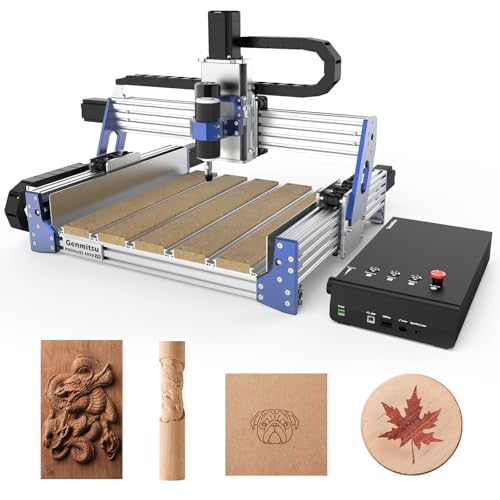
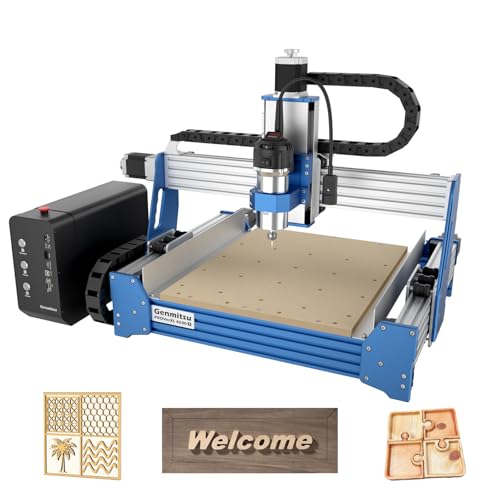
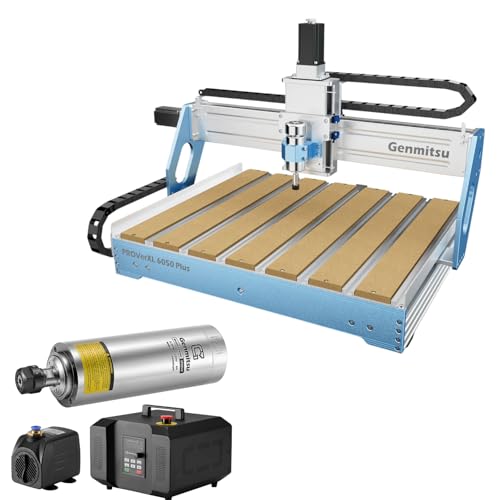
A CNC router transforms raw material into precise parts without hand-holding a tool. Whether you are carving signs, making furniture components, or running a small production shop, the right CNC router multiplies your output and repeatability. This guide reviews the seven best CNC routers of 2026 across every budget tier, from a $256 desktop starter to a $1,799 large-format water-cooled-spindle machine, so you can invest with confidence.
Quick Picks: Our Top Recommendations
After extensive research comparing each machine against manufacturer specifications and verified owner reviews, and drawing on our own time in the workshop, these are our top CNC router picks for 2026:
Prices change on Amazon. Amounts shown are planning estimates, not live quotes. Tap any button for current pricing.
Shopping for the person who uses this page? Hobby CNC owners go through end mills and V-bits faster than anything else in the shop, which makes them the practical gift. Start with our gifts for the CNC machinist, or see the best gifts for woodworkers; every pick is a specific stocked model, ranked from the big machines down to stocking stuffers.
Product Comparison Table
Compare key specs across all seven CNC routers at a glance:
Model
Work Area
Spindle
Max Speed (IPM)
Controller
Frame
Price
Detailed Reviews
Photo via Unsplash
CNC Router Buying Guide
Choosing the right CNC router means matching the machine to your materials, volume, and workspace. Here is what matters most:
Work Area and Bed Size
Small (12x12 to 24x24 in)
Ideal for signs, small parts, and jewelry. Easy to fit on a workbench. Limited to smaller stock but perfect for learning CNC fundamentals without a large footprint.
Mid-Size (24x36 to 4x4 ft)
The sweet spot for most hobbyists and small businesses. Handles cabinet doors, guitar bodies, and tiling larger projects. The Genmitsu PROVerXL 6050 Plus lives here.
Full Sheet (4x8 ft and larger)
Required for full sheet goods, cabinet carcasses, and production runs. Demands more shop space, a more powerful spindle, and a significantly larger budget.
Drive System: Belt vs. Ball Screw vs. Rack and Pinion
The drive system determines accuracy, backlash, and maintenance:
Belt drive: Low cost, easy to replace, but stretches over time and limits positioning accuracy to about ±0.005 inches. Good for signs and art.
Lead screw and ball screw: Excellent accuracy (±0.001 inches), minimal backlash, best for precision parts and inlays. Common on desktop machines like the Genmitsu PROVerXL 4030 V2.
Rack and pinion: Scales to large beds better than ball screws, used on production machines. Requires periodic backlash adjustment.
Spindle Power and Type
The spindle is where cutting actually happens. Key considerations:
Router (Dewalt/Makita trim router): Cheap and easy to replace, but loud and not designed for continuous duty. Fine for hobby use under 4 hours per day.
VFD spindle (1.5-2.2 kW): Quieter, longer duty cycle, speed-controlled via the machine controller. The right choice for any serious work.
ATC spindle: Automatic tool changer eliminates manual bit swaps. Found on $10,000+ production machines.
Pro Tip
Budget an extra $200-400 to upgrade a trim-router machine to a proper VFD spindle. The noise reduction and longer life are worth every dollar for regular shop use.
Controller and Software Ecosystem
The controller runs the show. Ease of use varies dramatically between brands:
GRBL-based: Open-source, huge community, works with many free senders like UGS or cncjs. Used by Genmitsu, FoxAlien, and most desktop machines.
Vendor apps: Genmitsu's wireless app and Candle make desktop machines approachable for beginners.
Mach3/Mach4: Industry standard for larger Windows-based machines. Steep learning curve but extreme flexibility.
Vectric VCarve and Fusion 360: Popular CAM packages that post G-code for any GRBL machine in this guide.
Frame Material and Rigidity
Rigidity prevents tool deflection, which causes surface finish problems and broken bits:
Plywood/wood frame: Low cost, absorbs vibration somewhat, but expands with humidity. Best for budget entry machines.
Aluminum extrusion: Lightweight, corrosion-resistant, and widely used from hobbyist to mid-range machines. Rigidity depends on extrusion size.
All-metal cast and extrusion frames: Maximum desktop rigidity for heavier cuts. Found on machines like the FoxAlien Masuter 3S and the large-format Genmitsu 6050 Plus.
Dust Collection Integration
CNC routing produces significant dust. Plan for dust collection from the start:
Most machines include a dust shoe mount for a standard 2.5-inch hose connection to your shop vac or dust collector.
Adding a clear enclosure around a desktop machine contains dust internally for easier cleanup.
Production machines benefit from a dedicated 1-2 HP dust collector rather than a shop vac for continuous run times.
As an Amazon Associate, WorkshopCalc earns from qualifying purchases. Our recommendations are based on thorough research against manufacturer specifications and verified owner reviews. We only recommend products we believe provide genuine value to makers and woodworkers.