A dedicated mortiser turns mortise-and-tenon joinery from a slow hand-tool chore into fast, repeatable production work. The right one comes down to three things: chisel capacity (the largest hollow chisel the machine can drive), power and frame (benchtop for furniture, floor-standing for timber), and the hold-down and fence that keep stock square through each plunge. Below are our top picks for 2026, followed by a buying guide. Pairing mortises with clean tenons? See our best jointers guide for flattening stock first, and our woodworking shop setup guide for fitting a mortiser into your bench layout. Wondering whether a drill press and a chisel jig can do the same job? Our mortiser vs drill press comparison covers the fastest, cleanest way to cut square mortises.
Best overall benchtop: the JET JBM-5, a 1/2" hollow-chisel machine with a 4-3/4" stroke. For heavy timber and larger mortises, step up to the floor-standing Grizzly G0448 (1-1/2 HP, up to 3/4" chisel). Want a cast-iron benchtop from Grizzly? The T33127 (1/2 HP) is the pick. Rule of thumb: match the machine to your largest common chisel, then confirm its hold-down keeps stock from lifting on the up-stroke.
Our Top Mortiser Picks
Specs vary by production run; treat prices as planning estimates and tap any button for current pricing.
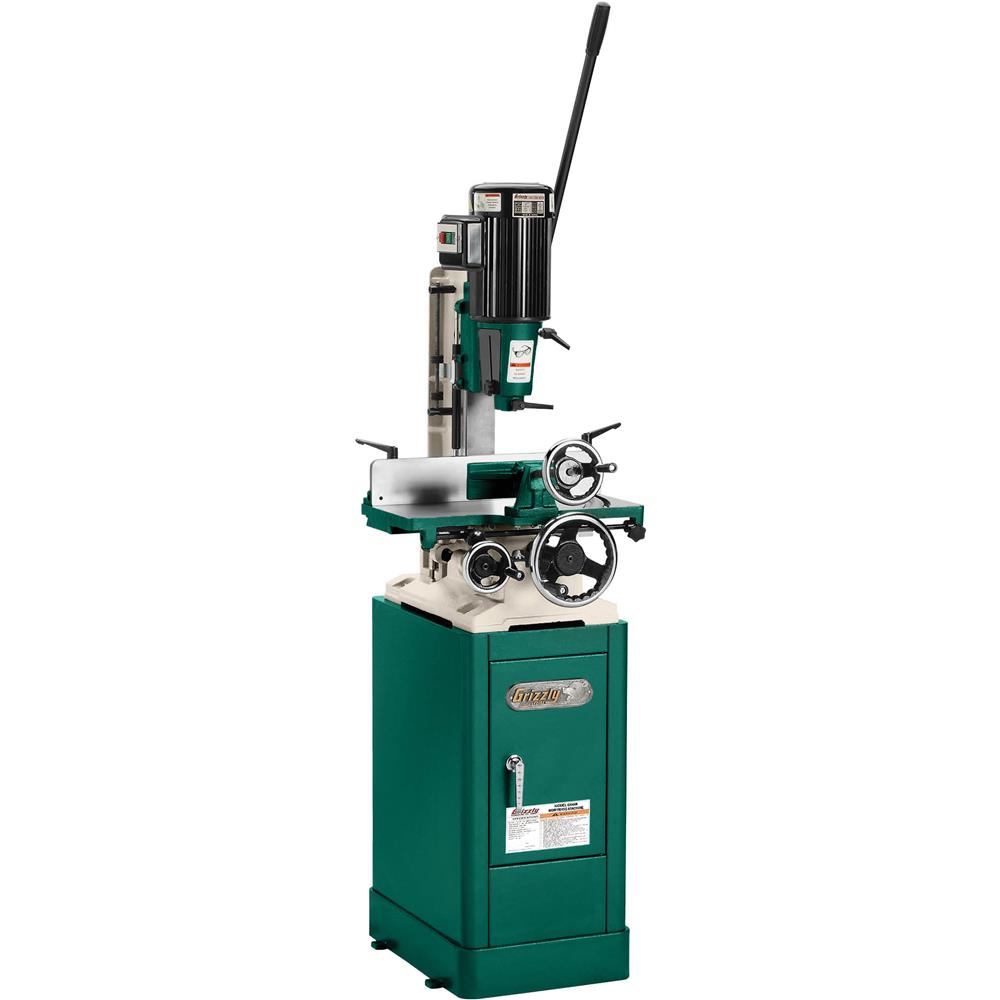
Grizzly G0448 1-1/2 HP Heavy-Duty Mortiser
1-1/2 HP, floor stand, up to 3/4" chisel
Shop at Grizzly.com →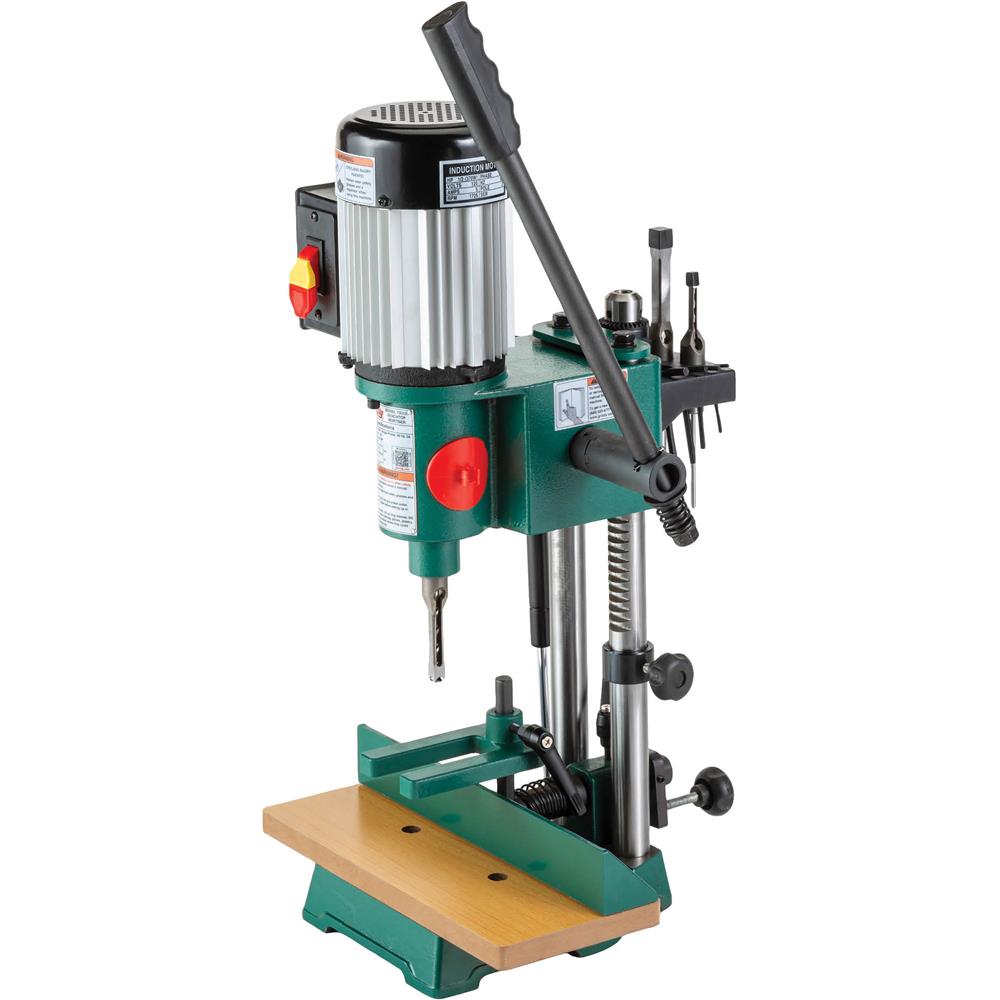
Grizzly T33127 1/2 HP Benchtop Hollow-Chisel Mortiser
1/2 HP, benchtop, cast-iron
Shop at Grizzly.com →
JET Benchtop Mortiser, 1/2" Chisel, 4-3/4" Stroke, 115V 1Ph (Model JBM-5)
Benchtop hollow-chisel mortiser with a 1/2" chisel capacity and 4-3/4" stroke, running on 115V single-phase power.

Powermatic PM701 3/4 HP Benchtop Mortiser
Heavy-duty 3/4 HP mortising machine built for repeated hollow-chisel joinery in a shop.

JET JBM-5 1/2" Benchtop Mortiser, Gray
Benchtop mortiser rated for hollow chisels up to 1/2" for cabinet and furniture joinery.
View on AmazonMortisers Compared
| Model | Type | Budget | Best For |
|---|---|---|---|
| Grizzly G0448 | Floor-standing | Check Grizzly | Heavy-Duty |
| Grizzly T33127 | Benchtop | Check Grizzly | Grizzly Benchtop |
| JET JBM-5 | Benchtop | Under $1,000 | Best Overall |
| Shop Fox W1671 | Floor-standing | Under $1,000 | Best Value Floor |
| JET JBM-5 | Benchtop | Check Amazon | Trusted Benchtop |
Mortiser Buying Guide
Chisel & Bit Capacity
A mortiser is only as capable as the largest hollow chisel it can drive. Benchtop machines typically top out around a 1/2" chisel, which covers most furniture and cabinet joinery, while heavier floor-standing machines accept chisels up to 3/4" or 1" for timber and workbench joints. Each chisel is a four-sided steel tube with a matching drill bit inside: the bit clears the bulk of the waste and the chisel squares the walls. Buy chisels in the common sizes you use, and remember that larger chisels demand more downforce and motor power to plunge cleanly.
Hold-Down & Fence
The hold-down and fence are what separate clean, square mortises from ragged ones. As the chisel retracts, it tends to lift the workpiece with it, so a solid adjustable hold-down that clamps stock against the table is essential. The fence positions the mortise consistently across multiple parts and should lock down flat and square without deflecting. Look for a fence with enough travel to register wide stock, easy micro-adjustment, and a table that stays rigid under the leverage of the plunge handle.
Benchtop vs. Floor Power
Benchtop mortisers in the 1/2 HP class are compact, affordable, and enough for the majority of hobby and furniture work with chisels up to about 1/2". Floor-standing machines add motor power, a taller and more rigid frame, and a longer handle that multiplies your leverage, which matters when cutting big mortises in dense hardwood or timber all day. If you cut mortises occasionally, a benchtop model saves space and money; if joinery is central to your work, the floor-standing power and capacity pay for themselves.
Setting Up a Joinery Shop?
Our woodworking shop setup guide covers where a mortiser fits alongside your bench, jointer, and dust collection so the whole shop flows.
Read the Shop Setup GuideAs an Amazon Associate and Grizzly Industrial affiliate, WorkshopCalc earns from qualifying purchases. Our picks are based on published specs and category research, not paid placement.