A benchtop milling machine turns a home shop into a real metalworking shop: you can cut slots, face surfaces, bore holes, and machine parts to tolerance without a full-size knee mill. The right one comes down to three things: table size and travel (how big a part you can machine), spindle and speed (R8 versus a Morse taper, and the RPM range), and rigidity (weight is what stops chatter). Below are our top benchtop picks for 2026, followed by a buying guide. Pairing a mill with a lathe? See our best metal lathes guide and our metalworking shop setup guide.
Once a part is machined, a bench buffer puts the final polish on it. See the best bench buffer polishers for variable-speed and industrial options.
Best mini mill: the Grizzly G8689Z 4" x 16" with an R8 spindle for compact benches. Best mill/drill: the Grizzly G0704 7" x 27" 1 HP with stand for more capacity. Best budget mini: the Erie Tools variable-speed mini mill. Best value mill/drill: the VEVOR 15.875" 2 HP. Best heavy-duty benchtop: the MechMaxx VM25LD 7" x 27-1/2" with R8 spindle and brushless motor. Rule of thumb: buy the heaviest, most rigid machine your bench and budget allow. The Grizzly G0704 7 x 27 in 1 HP mill/drill with stand (R8 spindle, 18-7/8 in table travel, 372 lb with stand) is the direct-buy pick for a full-size benchtop mill; on Amazon the closest match is the MechMaxx VM25LD.
Top Benchtop Milling Machines
Specs and pricing vary by production run; treat prices as planning estimates and tap any button for current pricing.
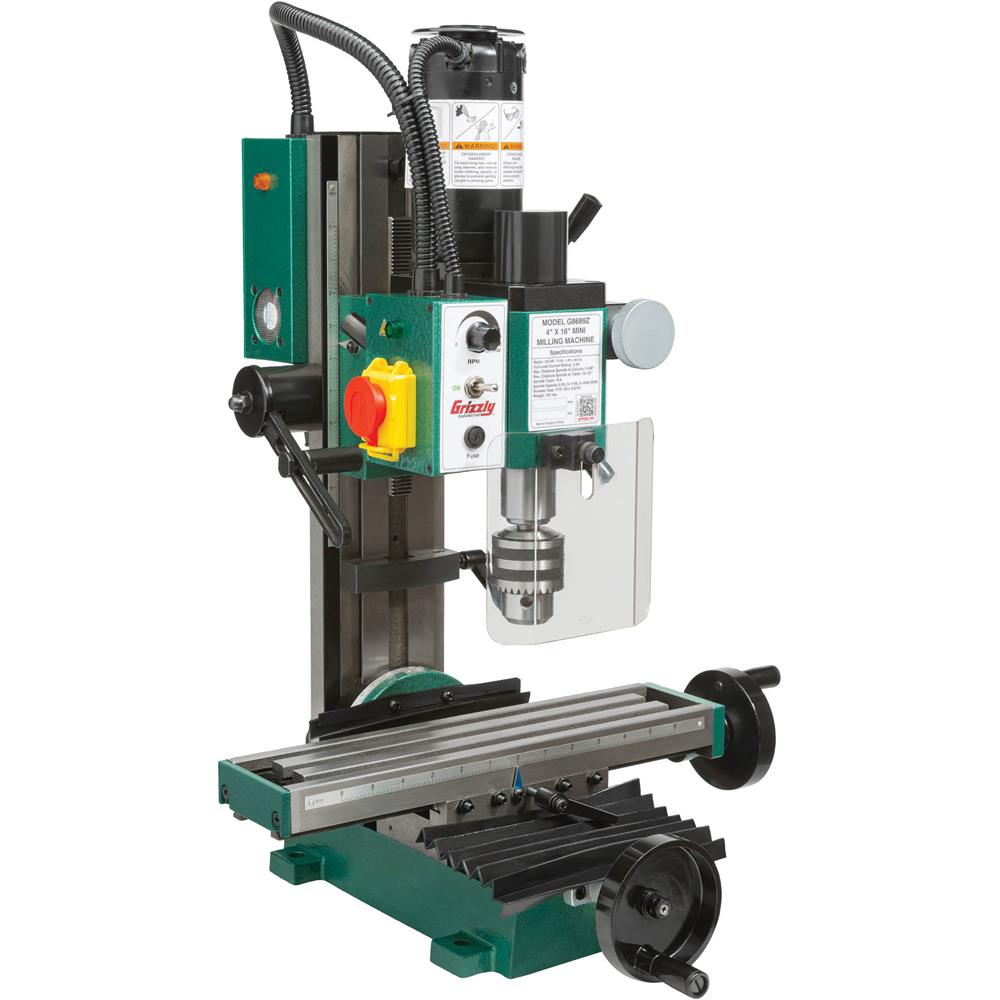
Grizzly G8689Z 4" x 16" Mini Milling Machine
Compact mini mill, R8 spindle
Shop at Grizzly.com →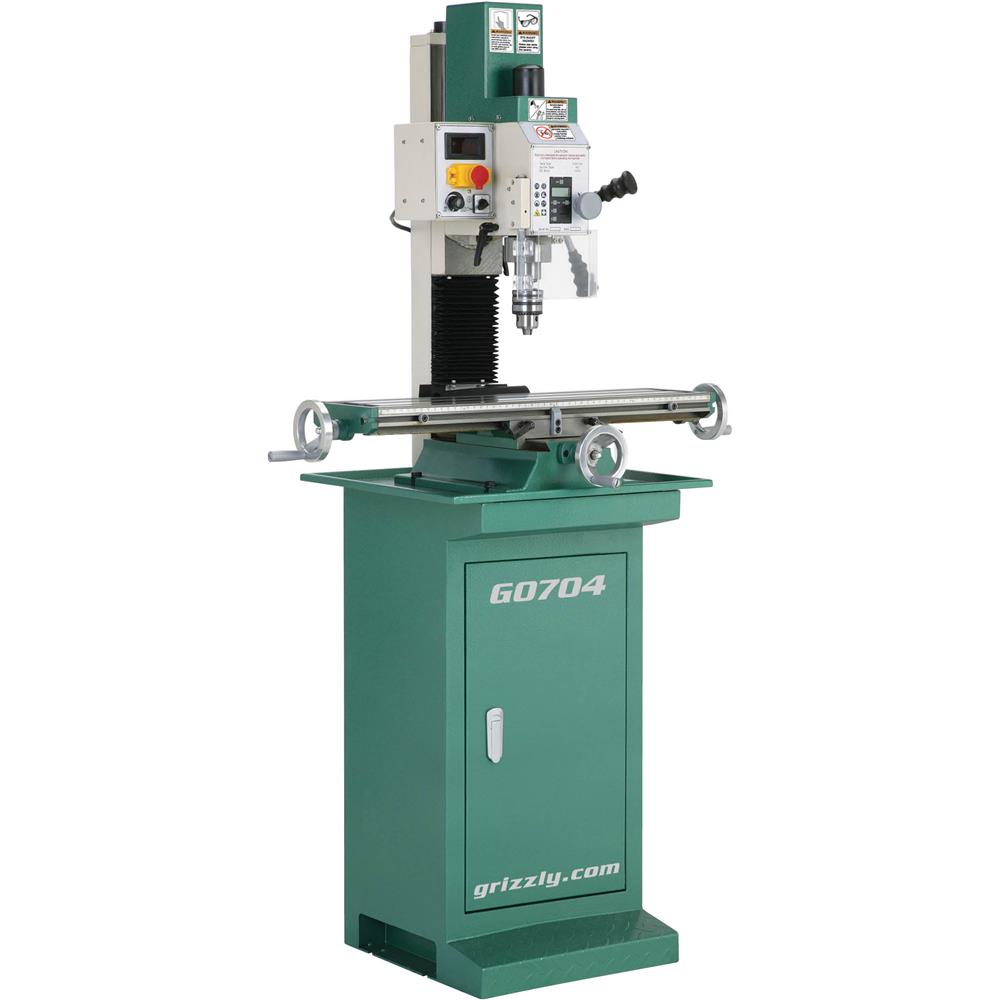
Grizzly G0704 7" x 27" 1 HP Mill/Drill with Stand
1 HP mill/drill, 7x27 table, stand
Shop at Grizzly.com →
MechMaxx 6 x 20 Inch Benchtop Mill Drill Machine, Variable Speed, R8 Spindle
Variable-speed mini metal mill/drill with 3/8-inch drill capacity and included cutters.
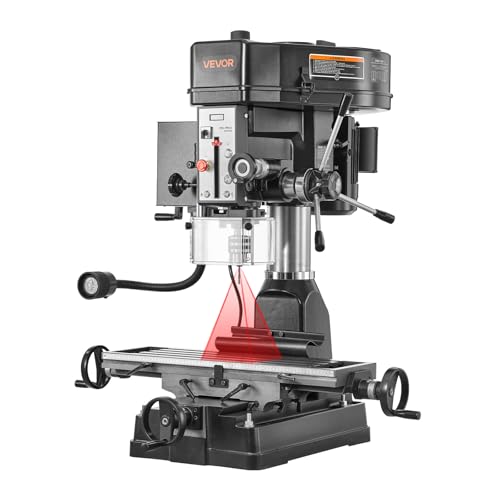
VEVOR 15.875-Inch Mill Drill Machine, 2 HP, Benchtop Milling Drill Press, 150-2560 RPM Adjustable Speed, with Rotating Vise, Laser and Work Light, Milling Drilling Machine, for Woodworking Light Metal
15.875-inch mill/drill with a 2 HP motor, 150-2560 RPM adjustable speed, rotating vise, laser, and work light.
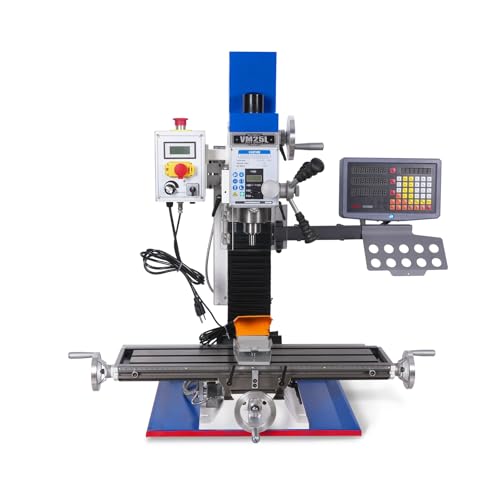
Mechmaxx 1.5HP 7''x 27-1/2''Benchtop Mini Mill Drill Machine, Variable Speed, R8 Spindle, Brushless Motor, 110V, Compact Milling Drilling Tool for Garage Shop, DIY Metalworking without Stand, VM25LD
1.5 HP 7 x 27-1/2-inch benchtop mill/drill with variable speed, R8 spindle, and a 110V brushless motor (no stand).
Benchtop Milling Machines Compared
| Model | Type | Budget | Best For |
|---|---|---|---|
| Grizzly G8689Z | Mini mill (R8) | See Grizzly | Best Mini Mill |
| Grizzly G0704 | 1 HP mill/drill (R8, 372 lb with stand) | See Grizzly | Best Mill/Drill |
| Erie Tools | Variable-speed mini | Under $1,000 | Best Budget Mini |
| VEVOR 15.875" | 2 HP mill/drill | Under $2,500 | Best Value Mill/Drill |
| MechMaxx VM25LD | 1.5 HP mill/drill (R8) | $2,500+ | Best Heavy-Duty Benchtop |
Benchtop Milling Machine Buying Guide
Table Size & Travel
Table size and axis travel set the largest part you can machine in one setup. A mini mill often has a table around 4 x 16 inches with a few inches of X and Y travel, which suits small brackets, gears, and hobby parts. A mill/drill jumps to a 7 x 27-inch table and much longer travel, so you can machine longer stock and multiple features without repositioning. Measure your typical workpiece, add clamping room, and pick a table that clears it comfortably. For a full breakdown of which format fits your parts, rigidity, and bench space, see our mini mill vs mill-drill comparison.
Spindle (R8 or MT) & Speed
The spindle taper determines what tooling fits. R8 is the common Bridgeport-style standard used on heavier machines like the Grizzly G0704 and MechMaxx VM25LD, and it has the widest, most affordable selection of collets, end mill holders, and drill chucks. Smaller mini mills sometimes use a Morse taper (MT2 or MT3). Speed range matters too: a wide, adjustable RPM band (the VEVOR runs 150 to 2560 RPM) lets you slow down for large cutters in steel and speed up for small cutters in aluminum.
Rigidity & Weight: Mini Mill vs. Mill/Drill
Rigidity is what separates a clean cut from chatter, and in cast-iron machines weight is the honest proxy for rigidity. A light mini mill flexes under load, so you take shallow passes and go slowly; it is ideal for aluminum, brass, plastic, and small steel jobs on a crowded bench. A heavier mill/drill resists deflection, holds tolerance on deeper cuts, and machines steel more confidently, at the cost of footprint and price. If steel is on your menu, buy the heaviest machine your bench and budget allow.
Dial In Feeds & Speeds
Match spindle RPM and feed rate to your cutter diameter and material with our feeds-and-speeds reference so every cut runs clean.
Open the Feeds & Speeds ReferenceAs an Amazon Associate and Grizzly Industrial affiliate, WorkshopCalc earns from qualifying purchases. Our picks are based on published specs and category research, not paid placement.