A combo lathe/mill puts a metal lathe and a milling head on one shared frame, so a single machine can turn round parts and mill flats, slots, and holes without two separate purchases or two footprints. The choice comes down to three things: capacity (swing over the bed and distance between centers for turning, plus mill spindle travel and column height for milling), rigidity (how much the shared frame flexes under heavier cuts), and value (whether one machine really beats buying dedicated tools). If you mostly turn, compare standalone options in our best metal lathes guide; if you mostly mill, see our best benchtop milling machines guide. To size the milling side specifically, our mini-mill vs mill/drill comparison explains the capacity and rigidity trade-offs that also apply to a combo's mill head. Below are our top combo lathe/mill picks for 2026, followed by a buying guide.
Best compact: the Grizzly G0937 6" x 10" combo, factory-direct for small parts and tight benches. Best mid-size: the Grizzly G4015Z with 19-3/16" of turning length and a 3/4 HP motor. Best larger: the Grizzly G9729 at 31" between centers for longer shafts. Best value entry point: the VEVOR 7" x 14" mini lathe if you need turning first and can add milling later. Buy for the capacity you actually need and accept that one frame trades rigidity for space.
Our Top Combo Lathe/Mill Picks
Prices vary by production run and retailer; treat the figures below as planning estimates and tap any button for current pricing.
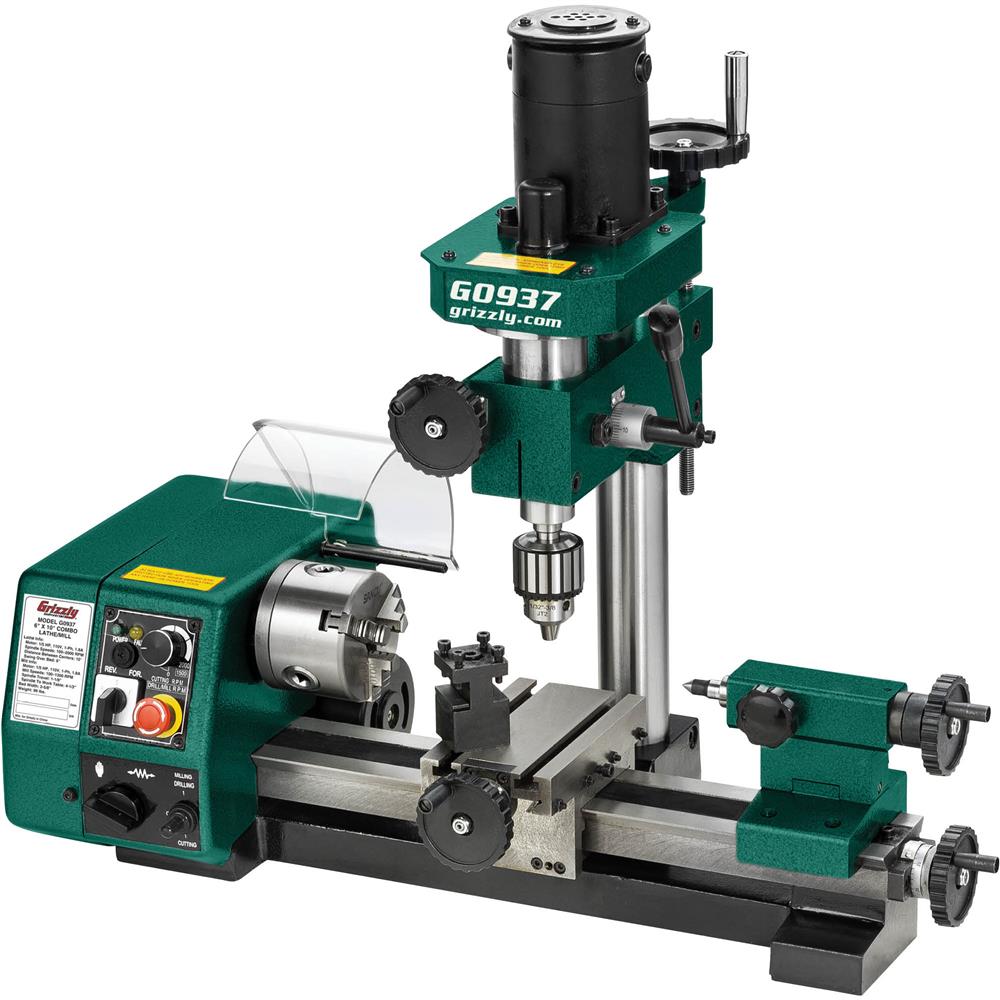
Grizzly G0937 6" x 10" Combo Lathe/Mill
6" x 10" combination lathe and mill for small parts.
Shop at Grizzly.com →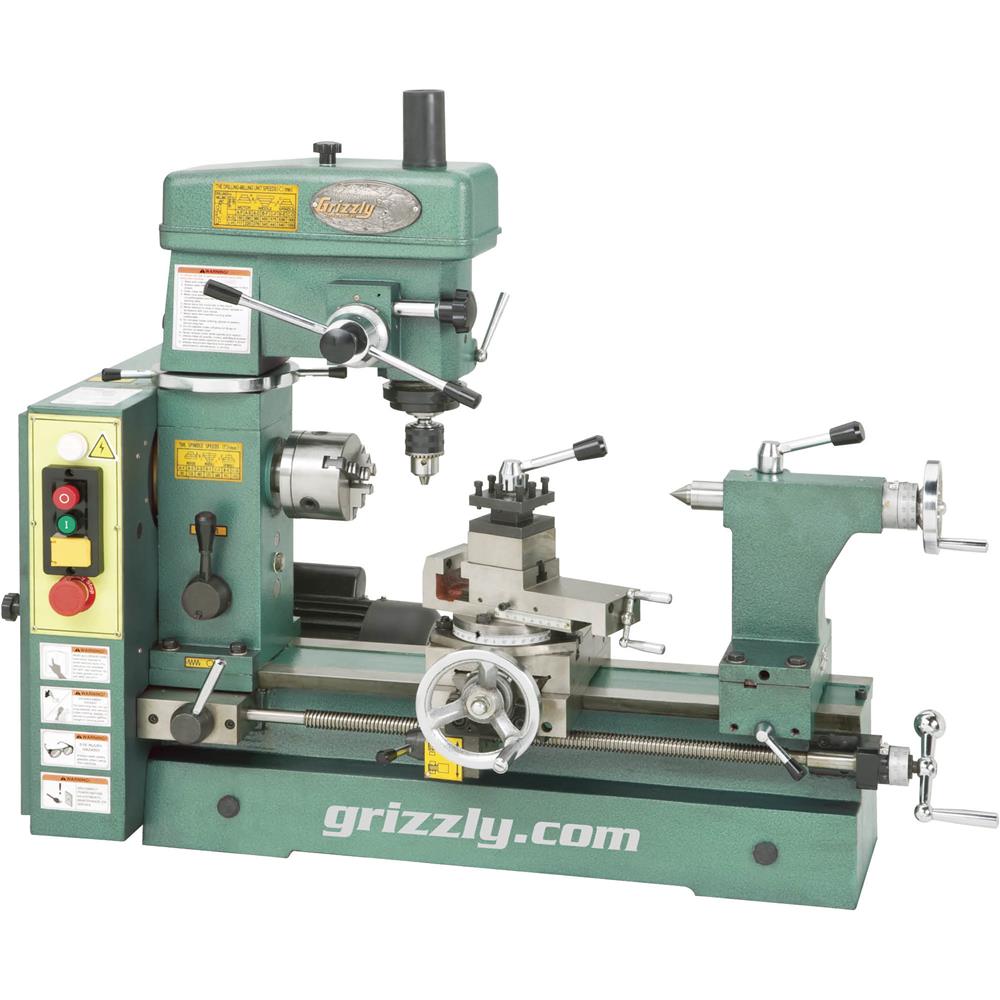
Grizzly G4015Z 19-3/16" 3/4 HP Combo Lathe/Mill
19-3/16" turning length with a 3/4 HP motor.
Shop at Grizzly.com →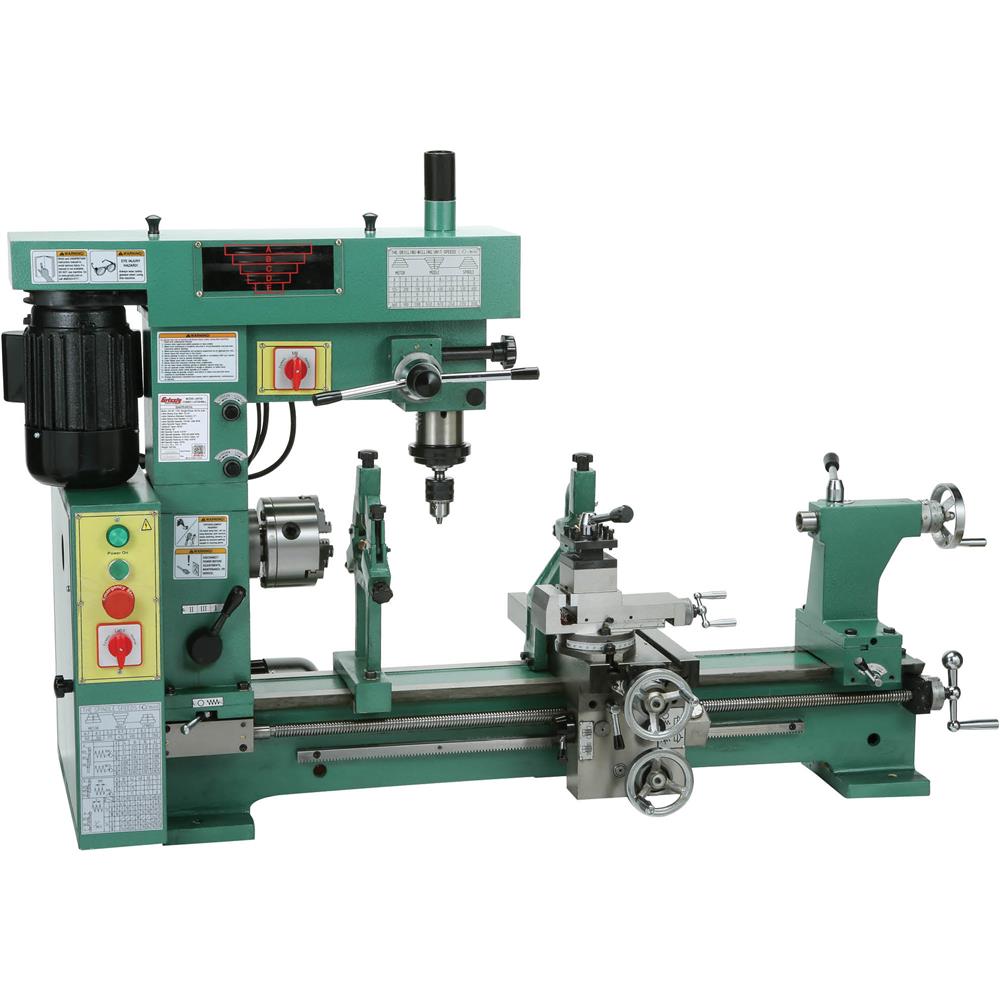
Grizzly G9729 31" 3/4 HP Combo Lathe/Mill
31" between centers with a 3/4 HP motor for longer work.
Shop at Grizzly.com →
VEVOR 7"x14" Metal Lathe, Upgraded Digital Display, 550W
7" x 14" benchtop metal lathe with a 550W motor and digital display.
Combo Lathe/Mills Compared
Prices change often; the figures below are approximate. Tap any product button above for live pricing.
| Model | Type | Budget | Best For |
|---|---|---|---|
| Grizzly G0937 | 6" x 10" combo lathe/mill | See Grizzly | Best Compact |
| Grizzly G4015Z | 19-3/16" combo lathe/mill | See Grizzly | Best Mid-Size |
| Grizzly G9729 | 31" combo lathe/mill | See Grizzly | Best Larger |
| VEVOR 7" x 14" | Benchtop mini metal lathe | Under $1,000 | Best Value Mini Lathe |
Combo Lathe/Mill Buying Guide
What a Combo Lathe/Mill Does
A combination lathe/mill performs two jobs on one frame: the lathe spins stock against a cutting tool to turn round parts, faces, and threads, while the milling head brings a rotating cutter down onto clamped work to cut flats, slots, pockets, and holes. Packaging both into a single base is what makes these machines attractive to a small shop, because you buy once, power one motor, and occupy a single footprint instead of setting up two separate machines. The catch is that sharing a frame between two very different operations compromises rigidity and reduces working capacity compared with dedicated tools, so a combo trades some stiffness and size for the space and money it saves.
Swing, Center Distance & Mill Travel
Turning capacity is set by the swing over the bed, which is the largest diameter you can rotate, and the distance between centers, which is the longest part you can hold end to end. A compact 6-inch by 10-inch class machine handles small parts and model work, while mid-size and larger units add swing and length for longer shafts. On the milling side, check the head's spindle travel and the clearance under the column, since those numbers cap how tall a workpiece you can mill and how deep a cut you can plunge. Size all four numbers to the actual parts you make, because buying more capacity than you need adds cost, weight, and bench space you may not have.
When a Combo Beats Separate Machines
A combo is the right call when floor space or budget is the binding constraint and your work is small to medium. One purchase and one footprint can turn and mill a part that needs both, which is ideal for apartment shops, garages, RC and model builders, and light gunsmithing. Separate machines pull ahead once you need rigidity for heavier cuts, more capacity, or a smoother workflow where a job can stay set up on the mill while the lathe runs something else. To weigh the milling side of that decision in more detail, our mini-mill vs mill/drill comparison breaks down the same rigidity and capacity trade-offs that govern a combo's mill head.
Rather Turn on a Dedicated Machine?
If turning is most of your work, a standalone lathe gives you more rigidity and capacity. See our metal lathe picks to compare.
See the Best Metal LathesAs an Amazon Associate and Grizzly Industrial affiliate, WorkshopCalc earns from qualifying purchases. Our picks are based on published specs and category research, not paid placement.