Best Shop Vacs 2026, Including the Best Small Shop Vac
Whether you are cleaning up sawdust in your workshop, tackling wet spills in the garage, or connecting to power tools for dust-free operation, a quality shop vac is essential. This comprehensive guide covers the best wet/dry vacuums for 2026, from budget-friendly options to premium dust extractors, with detailed reviews, specifications, and buying advice.
The best small shop vac for most workshops is a 5 to 6 gallon model such as the DEWALT DXV06P: enough capacity to avoid constant emptying, small enough to carry and store under a bench. Choose a 4 gallon unit when space is the limit, and a cordless unit when you need the vac away from an outlet. Updated 2026.
Best small shop vac: 4 to 6 gallon picks
Small here means a tank of about 2.5 to 6 gallons. Capacity is not the only number to watch: a small tank fills fast with sawdust, so pair it with a bag or a cyclone pre-separator if you use it on a sander or saw. Peak horsepower is a marketing figure; compare CFM and water lift when the maker lists them, and look for a hose diameter of at least 1-7/8 inches for sawdust. These are the small models we would buy, each with an in-stock listing at the time of writing.
| Model | Size | Budget | Why pick it | Buy |
|---|---|---|---|---|
| DEWALT DXV06P | 6 gal, 4 peak HP, blower port | Under $250 | Most capacity in a small body; best all-round small shop vac | Check price |
| RIDGID 4000RV | 4 gal, 5 peak HP | Under $250 | Smallest footprint that still has strong suction | Check price |
| DEWALT StealthSonic DXV05P-QT | 5 gal, quiet design | Under $250 | Quietest pick for a shared garage or attached shop | Check price |
| Milwaukee 0880-20P M18 | Cordless, 2 gal class | Under $250 | No cord; best for quick cleanups and the car or truck | Check price |
Not sure whether a shop vac is the right tool? A vacuum moves relatively little air at high suction, which is right for cleanup and for tools with small ports; for a table saw or planer you want a dust collector, covered in the shop vac vs dust collector section below and the dust collector calculator.
Quick Picks: Our Top Recommendations
After researching specifications and verified owner feedback, here are our top shop vac recommendations for different needs and budgets:
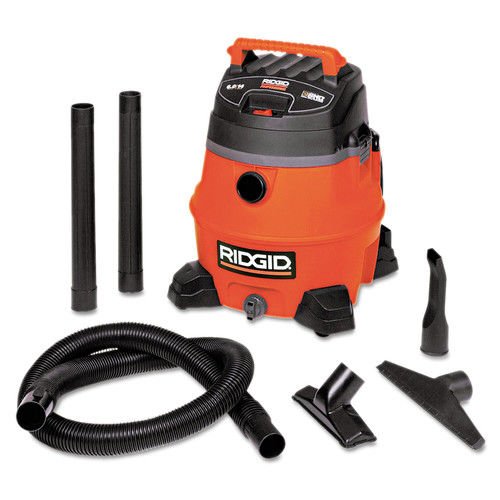
Ridgid WD1450
14-gallon capacity with a strong 6.0 peak HP motor. Outstanding suction, durable construction, and Ridgid's reputation make this the best all-around choice. under $500.
Check Price
Vacmaster VBV1210
Excellent value at an affordable price point. 12-gallon tank, 5 peak HP, and surprisingly strong suction for light to medium workshop duties. under $250.
Check Price
Bosch VAC090AH
9-gallon HEPA extractor with automatic filter cleaning. Purpose-built for connecting to power tools with superior fine dust filtration. under $1,000.
Check Price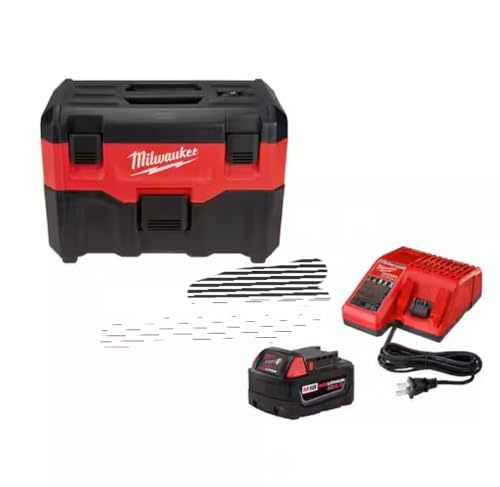
Milwaukee 0880-20P M18
Cordless convenience with M18 battery platform, sold with an XC5.0 battery starter kit. Perfect for job sites, car detailing, and quick cleanups. under $250.
Check Price
Craftsman CMXEVBE17595
16-gallon beast with 6.5 peak HP. Built for demanding commercial and workshop environments where capacity and power are paramount. under $250.
Check PriceDetailed Shop Vac Reviews
WD1450 14-Gallon 6.0 Peak HP Shop Vac
The Ridgid WD1450 sets the standard for workshop wet/dry vacuums. Its powerful 6.0 peak HP motor delivers exceptional suction that handles everything from fine sawdust to larger debris with ease. The 14-gallon capacity strikes the perfect balance between runtime and portability.
What truly sets the WD1450 apart is Ridgid's reputation for durability. The rugged polypropylene drum resists dents and cracks, while the large rear wheels and front casters make maneuvering around the shop effortless. The included accessories provide genuine versatility for wet and dry applications.
Pros
- Exceptional suction power
- Lifetime warranty coverage
- Durable construction
- Good accessory kit included
- Quiet operation for its power
Cons
- Standard filter needs upgrading for fine dust
- Hose storage could be better
- No auto-on tool trigger
Our Verdict
The Ridgid WD1450 is our top overall pick for its combination of power, durability, and value. Upgrade to a HEPA filter for fine dust work, and you have a shop vac that will last decades.

DXV10PZ 10-Gallon 5.5 Peak HP Wet/Dry Vac
DeWalt brings their signature yellow-and-black styling and job site durability to the shop vac market with the DXV10PZ. The 10-gallon size is more portable than larger units while still providing ample capacity for most workshop tasks, and the 2-stage motor keeps suction strong through long hoses.
The built-in accessory storage keeps all attachments organized and ready for use. A rubber over-mold on the power head protects against drops and bumps common on active job sites. The fine dust cartridge filter is a significant upgrade over basic cloth filters found on cheaper models.
Pros
- Excellent build quality
- Built-in accessory storage
- Fine dust filter included
- Portable 10-gallon size
- DeWalt ecosystem compatibility
Cons
- Slightly lower CFM than competitors
- Premium price point
- Tank scratches show easily
Our Verdict
A premium choice for contractors and serious DIYers who value build quality and portability. The DXV10PZ excels on job sites where durability and organization matter.
CMXEVBE17595 16-Gallon 6.5 Peak HP Shop Vac
When capacity and power are your priorities, the Craftsman CMXEVBE17595 delivers. The 16-gallon tank means fewer trips to empty during big cleanup jobs, while the 6.5 peak HP motor provides serious suction for demanding applications.
The extra-large drain makes wet pickups more practical, and the built-in blower port is surprisingly useful for clearing sawdust from equipment and hard-to-reach areas. Craftsman's updated design includes improved cord and hose management over previous generations.
Pros
- Massive 16-gallon capacity
- Powerful motor for heavy debris
- Large drain for wet applications
- Useful blower function
- Competitive pricing
Cons
- Heavy and bulky when full
- Basic filter needs upgrading
- Louder than smaller models
Our Verdict
The best choice for large workshops, job sites, and users who hate emptying the tank. If you have the space and need the capacity, the Craftsman 16-gallon delivers excellent value.
0880-20P M18 Cordless Wet/Dry Vacuum
The Milwaukee 0880-20P proves that cordless shop vacs have a legitimate place in the workshop. Running on Milwaukee's ubiquitous M18 battery platform, this compact vacuum goes wherever you need it without cords or outlets, and this kit ships with an XC5.0 battery and charger so you can run it out of the box.
While the 2-gallon capacity and 45 CFM airflow cannot match larger corded units, that is not the point. This vacuum excels at quick cleanups, car detailing, tight spaces, and situations where dragging a corded vacuum is impractical. The HEPA-rated filter captures fine dust effectively.
Pros
- True cordless convenience
- M18 battery compatibility
- HEPA-rated filtration
- Extremely portable
- Great for quick cleanups
Cons
- Limited capacity and suction
- Costs more than a bare tool
- Not suitable for heavy-duty use
Our Verdict
An essential addition for Milwaukee M18 users. It will not replace a full-size shop vac, but the convenience of cordless operation makes it invaluable for specific situations.

5989505 12-Gallon Stainless 5.5 Peak HP
The brand that gave us the term "shop vac" continues to deliver solid performers. The Shop-Vac 5989505 features a stainless steel tank that resists rust and dents better than plastic alternatives, giving it a professional appearance and extended lifespan.
This model includes a built-in blower port that doubles as a leaf and sawdust blower, plus the efficient SVX2 motor for strong suction. The 12-gallon capacity handles most workshop tasks without frequent emptying, and the 2.5-inch hose moves plenty of air.
Pros
- Stainless steel tank durability
- Built-in blower port
- Good balance of size and capacity
- Strong brand reputation
- Widely available accessories
Cons
- Standard filter is basic
- Some quality control variance
- Accessories are average quality
Our Verdict
A solid all-rounder with the valuable addition of a built-in blower port. The stainless tank adds durability for users who are hard on their equipment.
VBV1210 12-Gallon 5 Peak HP Wet/Dry Vac
Vacmaster has built a strong reputation for delivering surprising quality at budget-friendly prices. The VBV1210 exemplifies this approach with a 12-gallon capacity and 5 peak HP motor that punches above its price point, plus a detachable blower built in.
While it lacks some premium features, the fundamentals are solid. The fine dust filter handles typical workshop debris well, and the included accessories cover most cleaning scenarios. For budget-conscious buyers or those needing a second shop vac, the VBV1210 delivers genuine value.
Pros
- Exceptional value for money
- Good suction for the price
- Decent accessory selection
- Fine dust filter included
- Reliable performance
Cons
- Plastic feels less premium
- Shorter warranty than top brands
- Hose could be more flexible
Our Verdict
Our budget pick delivers the essentials without unnecessary frills. If you need a capable shop vac without breaking the bank, the VBV1210 is hard to beat.

CLEANTEC CT 26 E HEPA Dust Extractor
The Festool CLEANTEC CT 26 E represents an entirely different approach to workshop dust management. This mobile dust extractor is designed to integrate seamlessly with Festool's Systainer system and power tools, creating an exceptionally organized and efficient workflow.
The 6.9-gallon capacity is purpose-built for tool-triggered dust extraction at the source. The HEPA filtration captures 99.97% of particles down to 0.3 microns, making it the cleanest option for fine woodworking. The integrated tool outlet auto-starts the extractor whenever you power up a connected tool.
Pros
- HEPA filtration for fine dust
- Systainer system integration
- Auto-start tool outlet
- Smooth-running, very quiet
- Premium build quality throughout
Cons
- Very high price point
- Premium over a basic shop vac
- Best with Festool ecosystem
Our Verdict
A premium solution for Festool users and fine woodworkers who prioritize air quality. Not a general-purpose shop vac, but unmatched for its intended purpose.
VAC090AH 9-Gallon Dust Extractor with Auto Filter Clean
The Bosch VAC090AH bridges the gap between traditional shop vacs and professional dust extractors. Its standout feature is automatic filter cleaning - the vacuum periodically pulses air backward through the filter to dislodge accumulated dust, maintaining consistent suction throughout your work session.
HEPA filtration captures 99.97% of particles at 0.3 microns, making this an excellent choice for users concerned about fine dust exposure. The tool-triggered outlet and variable suction control add professional-grade functionality at a reasonable price point.
Pros
- Automatic filter cleaning
- HEPA filtration standard
- Tool-triggered outlet included
- Variable suction control
- Good capacity for a dust extractor
Cons
- Higher price than basic shop vacs
- Auto-clean adds complexity
- Not ideal for wet pickup
Our Verdict
Our top pick for dust collection applications. The Bosch VAC090AH automatic filter cleaning and HEPA filtration make this ideal for users connecting to sanders, routers, and other fine-dust-producing tools.
Shop Vac vs Dust Collector: Understanding the Difference
One of the most common questions workshop owners face is whether they need a shop vac, a dust collector, or both. Understanding the fundamental differences helps you make the right choice for your needs.
| Characteristic | Shop Vac | Dust Collector |
|---|---|---|
| Airflow (CFM) | 100-200 CFM | 600-1,500+ CFM |
| Suction (Water Lift) | 50-90 inches | 10-30 inches |
| Hose Diameter | 1.25" - 2.5" | 4" - 6" |
| Best For | Hand tools, cleanup, small ports | Stationary tools, large ports |
| Typical Tools | Sanders, routers, jigsaws | Table saws, planers, jointers |
| Price Range | $80-$600 | $300-$3,000+ |
Pro Tip: Many Shops Need Both
A well-equipped workshop often benefits from both a dust collector for stationary tools with 4-inch ports and a shop vac for hand tools, cleanup, and wet spills. If you need to move collection between machines in a small shop, a mobile dust collector bridges the gap. They serve complementary purposes rather than competing ones.
When a Shop Vac is the Right Choice
- Hand-held power tools: Sanders, routers, jigsaws, and circular saws with 1.25" to 2.5" dust ports
- General cleanup: Sweeping floors, cleaning benches, and tidying the shop
- Wet spills: Water, coolant, or other liquid cleanup
- Small benchtop tools: Drill presses, scroll saws, and small sanders
- Portability needs: Job sites or moving between work areas
When You Need a Dust Collector
- Table saws: Require high CFM to capture dust from blade guard and cabinet
- Planers and jointers: Produce massive chip volume requiring high airflow
- Stationary sanders: Drum sanders and wide belt sanders need serious CFM
- Permanent ductwork: Central systems with multiple drops
- Health priority: Dedicated dust collection is more effective for air quality
Complete Dust Collection System Guide
Learn how to size and install a proper dust collection system for your stationary tools.
Features Guide: What to Look For
Understanding shop vac specifications helps you choose the right model for your needs. Here are the key features to evaluate:
CFM (Cubic Feet per Minute)
CFM measures airflow volume. Higher CFM moves more air, capturing chips and debris faster. Look for 140+ CFM for tool connections, 100+ for general cleanup.
Water Lift (Suction)
Measured in inches, water lift indicates suction strength. Higher numbers mean better performance picking up heavy debris and maintaining suction through long hoses. 60+ inches is good; 80+ is excellent.
Filter Types
Standard cloth filters capture large debris. Cartridge filters handle fine dust better. HEPA filters capture 99.97% of particles at 0.3 microns - essential for health-conscious users.
Hose Diameter
1.25" hoses fit most portable tool ports. 2.5" hoses move more air and handle larger debris. Match your hose to your most common tools.
Tank Capacity
Larger tanks mean less frequent emptying but more weight. 10-14 gallons suits most home workshops. 16+ gallons for heavy commercial use.
Peak vs Running HP
Peak HP is a marketing number measuring startup current. Running HP (or amps) is more meaningful. Do not compare peak HP across brands - compare CFM and water lift instead.
Filter Warning
Never use a shop vac for fine dust without proper filtration. Standard filters let particles under 30 microns pass through, filling your shop with invisible, lung-damaging dust. Always upgrade to a fine dust or HEPA filter for woodworking.
Tool-Triggered Options
Tool-triggered operation automatically turns your shop vac on when you start your power tool, and off a few seconds after you stop. This hands-free operation is invaluable for dust collection at the source.
Built-In Tool-Triggered Models
Some shop vacs include a tool-triggered outlet as a standard feature:
- Bosch VAC090AH: Professional-grade auto-on tool outlet
- Festool CLEANTEC CT 26: Auto-start tool outlet for connected tools
Add-On Tool Triggers
For shop vacs without built-in triggers, aftermarket solutions work well:
Recommended Tool Trigger Switches
iVAC Pro Tool Plus
Automatic sensing switch that detects tool current - no special outlet needed (under $100)
Rockler Dust Right Flexiport Power Tool Hose Kit
Expandable hose with 4 FlexiPorts for connecting shop vacs to various power tool ports (under $100)
Essential Accessories
The right accessories extend your shop vac's capabilities significantly. Here are the must-have additions:
Shop-Vac 90304 HEPA Filter
Essential for fine dust. Fits most 5-16 gallon shop vacs (under $25).
Check PriceOneida Dust Deputy 2.5 Cyclone
Captures 99% of debris before it reaches your filter (under $50).
Check PriceCyclone Separator: Best Shop Vac Upgrade
Adding a cyclone separator like the Oneida Dust Deputy is the single best upgrade for any shop vac. It captures 99% of debris before it reaches your filter, dramatically extending filter life and maintaining maximum suction. The separator pays for itself in filter savings within months of heavy use.
Frequently Asked Questions
For most workshop applications, look for a shop vac with at least 100-150 CFM. For connecting to power tools like sanders and routers, 140-180 CFM is ideal. Heavy-duty applications may require 180+ CFM. Remember that CFM drops with longer hoses and dirty filters, so buy more capacity than your minimum needs.
Shop vacs produce high suction (water lift) but lower airflow (CFM), making them ideal for hand tools and small debris through narrow hoses. Dust collectors produce high CFM but lower suction, designed for stationary tools with 4-inch or larger dust ports. Most serious workshops benefit from having both.
Yes, shop vacs work well for hand sanders, routers, jigsaws, and small benchtop tools with 1.25 to 2.5-inch dust ports. They are not suitable for large stationary tools like table saws or planers which require a dedicated dust collector. For best results with fine dust, upgrade to a HEPA filter and consider adding a cyclone separator.
Clean or tap out your filter after every use for optimal suction. Replace pleated filters every 3-6 months with heavy use, or when you notice reduced suction even after cleaning. HEPA filters should be replaced annually. Using a cyclone separator dramatically extends filter life by capturing debris before it reaches the filter.
For small workshops and quick cleanups: 5-10 gallons. For general workshop use: 10-14 gallons. For heavy-duty commercial use or job sites: 14-16+ gallons. Larger tanks mean less frequent emptying but are heavier and harder to move when full. Consider your typical use case and storage space.
No. Peak HP measures the momentary current draw at startup and is primarily a marketing number. Different brands calculate it differently, making cross-brand comparisons meaningless. Instead, focus on CFM (airflow) and water lift (suction) specifications, which directly indicate actual performance.
You can, but standard filters will clog quickly and may let fine drywall dust pass through. Use a drywall-rated filter bag or HEPA filter for this application. A cyclone separator is highly recommended to capture the bulk of the fine dust before it reaches your filter.
The most common cause is a clogged filter. Fine dust accumulates on the filter surface, blocking airflow. Regular filter cleaning helps, but adding a cyclone separator is the best solution - it captures debris before it reaches the filter, maintaining full suction throughout your work session.
Dust Collection CFM Calculator
Calculate exact CFM requirements for your tools and plan your dust collection system.
As an Amazon Associate, WorkshopCalc earns from qualifying purchases. Our recommendations are based on research into specifications, pricing, and verified owner reviews, not hands-on testing. We only recommend products we believe provide value to workshop owners.