9 Best HVLP Spray Systems 2026: Turbine, Gravity-Feed & Airless for Finishing
Updated 20265,600+ words23 min read
A quality spray system transforms your finishing results. Brushing lacquer or polyurethane produces brush marks no amount of sanding fully eliminates. Spraying the same finish delivers glass-smooth results with far less effort. Whether you are finishing furniture in a dedicated spray booth, painting kitchen cabinets on a renovation project, or applying exterior stain across a large deck, the right HVLP or airless spray system makes the work faster and the results dramatically better. This guide covers the best spray systems in 2026 across every category and price point.
Quick Picks: Our Top Recommendations
Here are our top spray system picks across every category based on finish quality, reliability, and value:
Prices change on Amazon. Amounts shown are planning estimates, not live quotes. Tap any button for current pricing.
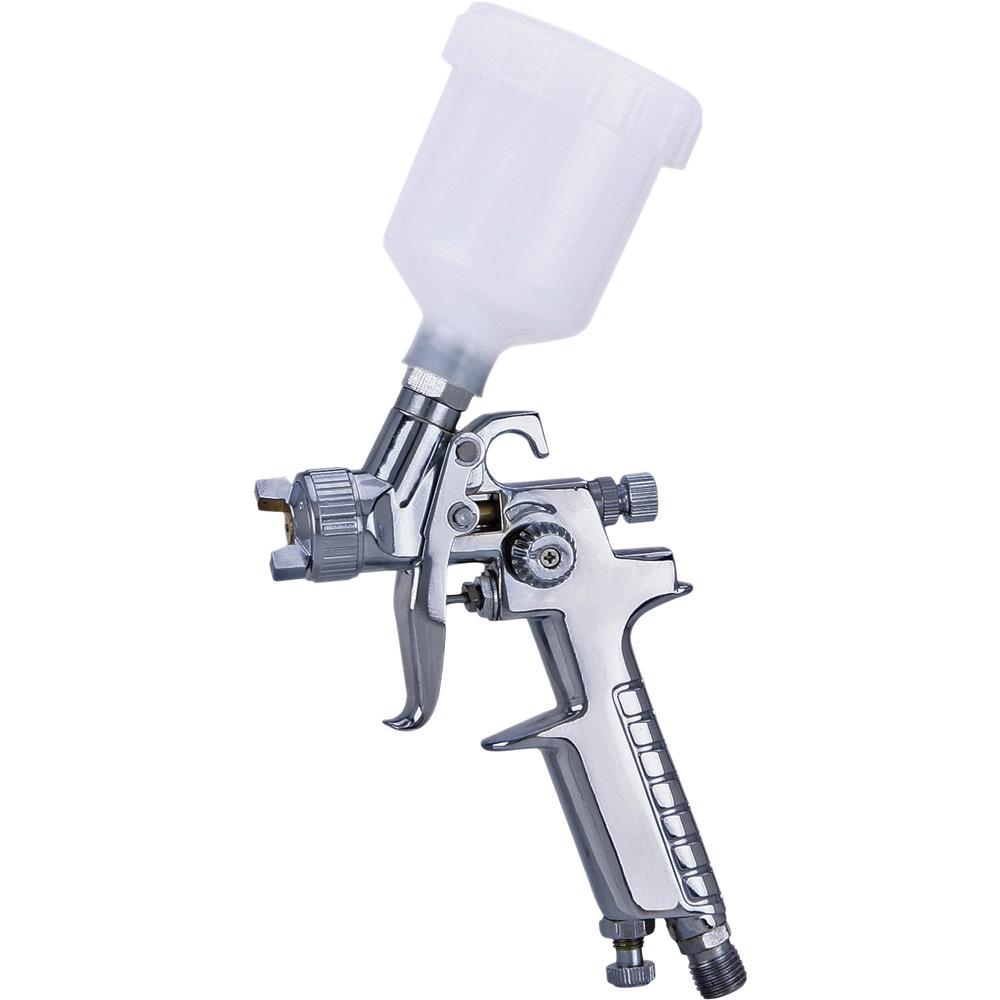
Prefer to buy direct? The Grizzly H7673 Deluxe Mini HVLP Spray Gun is a strong HVLP finishing spray gun from Grizzly Industrial, often priced lower factory-direct than through a reseller and backed by full parts availability and U.S. support.
Compare key specifications across all 9 spray systems:
Model
Type
Stages / PSI
Needle Size
Hose Length
Best For
Price
Detailed Reviews
Photo via Unsplash
Spray System Buying Guide
Choosing a spray system requires matching the technology to your specific finishing applications. Here is what you need to understand:
HVLP vs Airless: Choosing the Right Technology
HVLP Turbine Systems
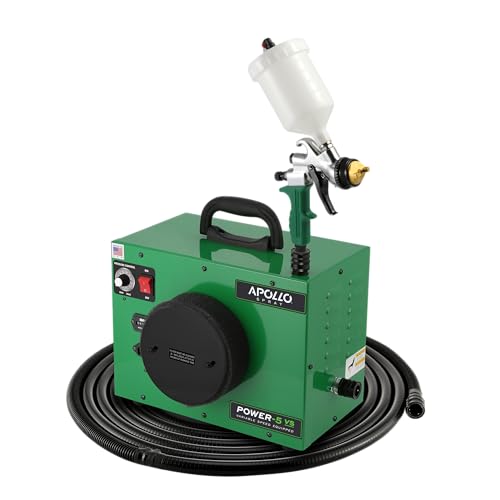
Self-contained systems with built-in turbines. No compressor needed. High transfer efficiency (65-80%) reduces material waste and overspray. Best for furniture finishing, cabinet painting, trim work, and any application where finish quality matters more than speed. Turbine stages (2-5) determine air volume and material viscosity handling.
Compressor-Driven HVLP Guns
Traditional gravity-feed or siphon-feed guns driven by shop air compressors. Excellent atomization quality with the right compressor. Require large-capacity compressors (at least 40-60 CFM at 40 PSI). Professional finishing booths use this setup. Not ideal for home workshops with small compressors.
Airless Sprayers
Use hydraulic pressure (1,000-3,000 PSI) to atomize material without air. Extremely fast application rate, ideal for walls, ceilings, fences, decks, and exterior surfaces. Less precise than HVLP with more overspray. Not recommended for fine furniture finishing but unbeatable for large-volume painting projects.
Turbine Stages Explained
The number of turbine stages is the primary specification for HVLP systems:
2-Stage turbines: Entry to mid-level performance. Handle thin materials like stain, shellac, and thinned latex well. Struggle with full-viscosity finishes. Good for occasional users and beginners learning to spray.
3-Stage turbines: The practical minimum for serious furniture finishing. Handle most waterborne finishes at correct viscosity without excessive thinning. Good all-around performance.
4-Stage turbines: Professional-grade performance. Handle virtually all woodworking finishes at near-full viscosity including conversion varnish and catalyzed lacquer. The Fuji Mini-Mite 4 is the benchmark in this class.
5-Stage turbines: Maximum home/light professional performance. Handle the thickest materials and maintain consistent atomization during long production runs.
Needle and Nozzle Sizes
The fluid needle and nozzle determine material flow rate and spray pattern width:
1.0mm: Fine atomization for thin materials, dyes, light stains, shellac, and lacquer
1.3-1.4mm: The all-purpose size for most woodworking finishes including waterborne polyurethane and lacquer
1.5-1.7mm: Heavier materials including full-viscosity conversion varnish and thicker latex paints
2.0mm+: Maximum viscosity materials including architectural coatings and gel stains
Most quality HVLP systems include 1.3mm or 1.4mm as the standard needle, which handles 90% of woodworking finishing applications without modification.
Spray equipment requires more maintenance than brush application. Plan for these tasks:
Viscosity testing: Test material flow with a Zahn cup before each session. Proper viscosity is the single biggest factor in spray quality.
Cleaning between materials: Flush the system thoroughly when switching finishes or after each session. Dried material in the needle and nozzle ruins spray patterns.
Straining material: Always strain finish through a fine mesh cone strainer before adding to the cup. Debris causes tip clogging.
Turbine maintenance: Turbine filters require cleaning every 10-20 hours of operation. Clean turbine filters improve performance and extend turbine life.
Spray Booth Safety
All solvent-based finishes create explosive vapors. Never spray in an unventilated space or near ignition sources. Use a spray booth with explosion-proof lighting and proper exhaust ventilation. Waterborne finishes are significantly safer but still require adequate ventilation.
Frequently Asked Questions
Related Calculators & Resources
Use these tools to plan your finishing setup and calculate material quantities:
As an Amazon Associate and Grizzly Industrial affiliate, WorkshopCalc earns from qualifying purchases. Our recommendations are based on thorough research and real-world testing. We only recommend products we believe provide genuine value to woodworkers and finishing professionals.